
HGH
$35
In stock
View product
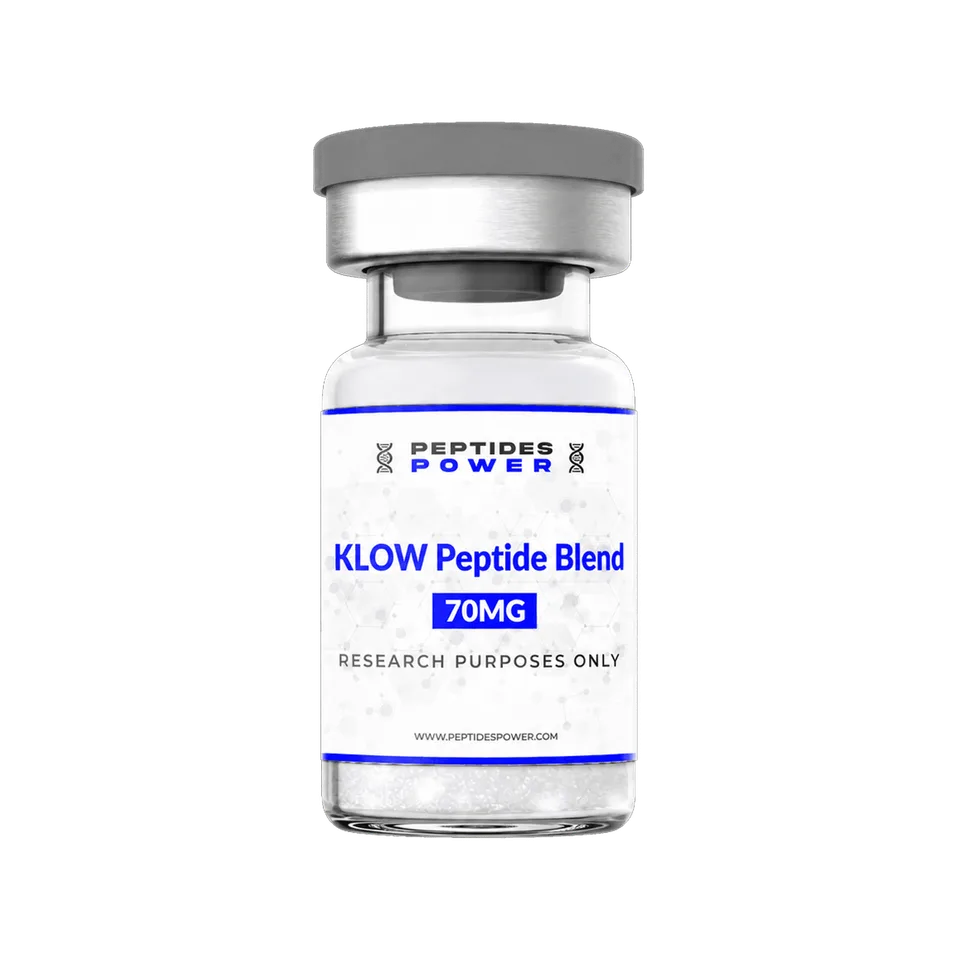
Also searched as: klow, klow peptide, klow blend
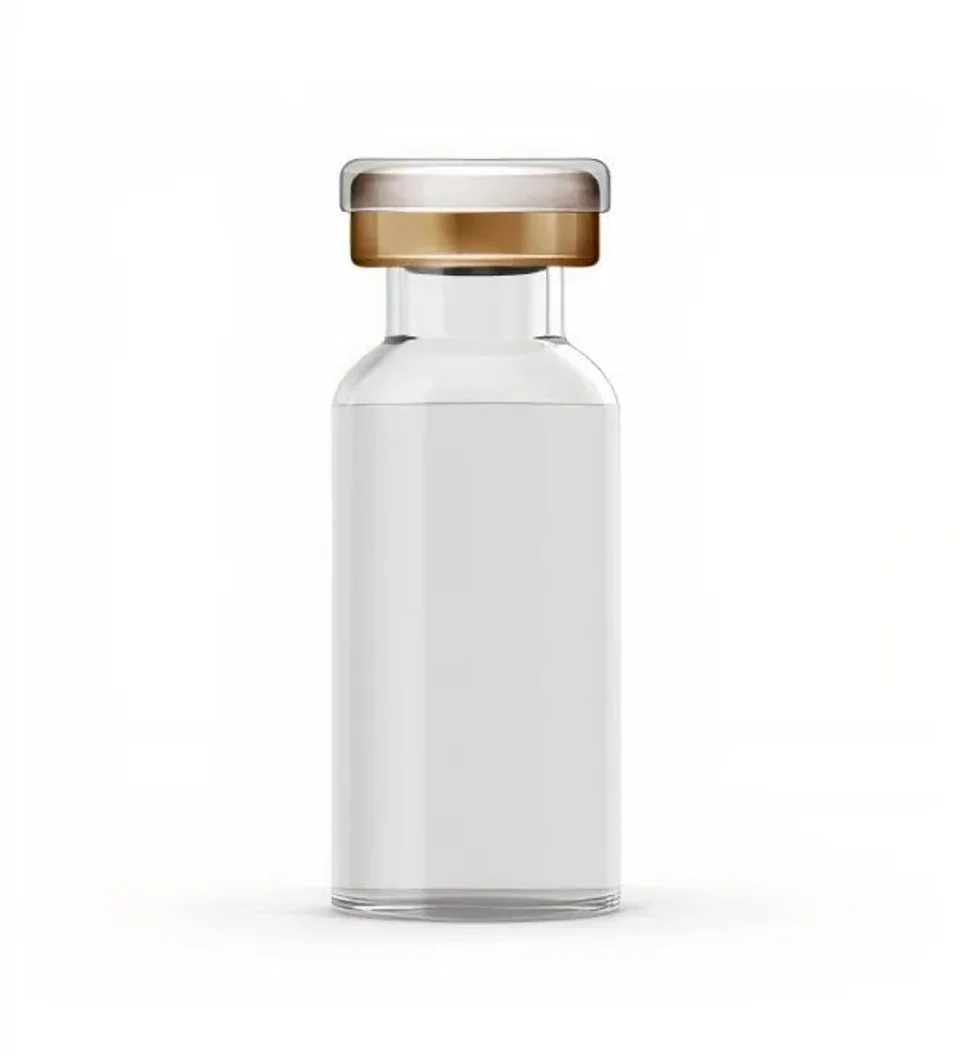
Sold as KLOW Peptide Blend - 70mg
$95 In stock
For research use only. Not for human or veterinary use.
Ships from the USA or Canada. Shipping details
KLOW Peptide Blend is a research mix of four peptides, BPC-157, TB-500, KPV and GHK-Cu, freeze-dried together in one vial that holds 70 mg of powder in total. The amount of each peptide is not disclosed. No published study has tested this combination in animals or people,1 and KLOW is not an FDA-approved drug.2
| Components | BPC-157, TB-500, KPV and GHK-Cu, combined in one freeze-dried powder |
|---|---|
| Vial contents | 70 mg of freeze-dried (lyophilized) powder in total; the amount of each peptide is not disclosed |
| BPC-157 | 15 amino acids, GEPPPGKPADDAGLV; C62H98N16O22; 1419.5 g/mol; CAS 137525-51-0; PubChem CID 9941957567 |
| TB-500 | Ac-LKKTETQ, the acetylated 7-amino-acid fragment of thymosin beta-4 that FDA defines as TB-500; C38H68N10O14; 889.0 g/mol; CAS 885340-08-9; PubChem CID 627076623589 |
| KPV | 3 amino acids, Lys-Pro-Val; C16H30N4O4; 342.43 g/mol; CAS 67727-97-3; PubChem CID 1256725610 |
| GHK-Cu | Gly-His-Lys bound to copper; the form in the vial is not stated. Values for prezatide copper (1:1 complex): C14H23CuN6O4+; 402.92 g/mol; CAS 89030-95-5; PubChem CID 71587328111213 |
| Strength | 70 mg |
| Ships from | USA, Canada |
| Categories | Anti-Aging Peptides, Growth Hormone Peptides, Healing and Recovery Peptides, Muscle Growth Peptides, Sleep and Stress Peptides, Weight Loss Peptides |
| Storage | No stability study of the four peptides mixed together has been published.1 For the single powders, figures cited by FDA point to dry, frozen storage: BPC-157 below -18 °C, TB-500 up to 1 year at -20 °C and KPV free base up to 3 years at -20 °C.234 |
Labs that need KLOW in larger quantities, or a steady KLOW peptide supplier, can apply for a wholesale account. Bulk terms are confirmed on application.
KLOW combines four peptides that each have their own research record. BPC-157 is a 15-amino-acid fragment of body protection compound (BPC), a protein first isolated from human gastric juice.25 TB-500 copies amino acids 17 to 23 of thymosin beta-4, a 43-amino-acid peptide, with an acetyl group added.3 KPV is a three-amino-acid fragment of alpha-MSH, a hormone made in the pituitary gland.4 GHK is a tripeptide found in human plasma, saliva and urine, and it is thought to act as a complex with copper.11
This page lists KLOW peptide for sale as one 70 mg vial, with the KLOW peptide price and stock for each shipping origin shown in the selector above. The four peptides come premixed in amounts that are not disclosed, so studies that need a known amount of one peptide can use the separate BPC-157, TB-500, KPV and GHK-Cu vials.
Read What is KLOW Peptide Blend? for the evidence on each component, and its limits, before you buy KLOW peptide online for a study.
FDA states that BPC-157, TB-500 and KPV are not components of any FDA-approved drug.234 Ahead of a July 2026 advisory committee meeting, FDA staff proposed not adding them to the 503A bulks list, the bulk substances pharmacies may use to compound.234 Trade press reported an 8 to 6 committee vote, with one abstention, in favor of allowing them to be compounded; FDA is not bound by it, and any change would require formal rulemaking.18 As of October 24, 2026, a Federal Register search for BPC-157 found no proposed rule.19 FDA also says compounded injectable GHK-Cu may pose a risk of immune reactions, with limited human data.20 In sport, BPC-157 is prohibited under WADA class S0 and TB-500 under S2.2122 Every vial is labeled: For research use only. Not for human or veterinary use.
The single peptides dissolve to different limits. Figures cited by FDA put the water solubility of BPC-157 at 5 mg/mL2 and TB-500 at 50 mg/mL.3 KPV free base dissolves only up to 0.70 mg/mL, against 5 mg/mL for KPV acetate,4 and the listing does not say which form the vial holds. FDA adds that peptides such as BPC-157 can be sensitive to pH, heat, concentration and impurities, which may make them clump and break down.2 The lab steps are in the reconstitution guide, and the reconstitution calculator works out the concentration for a chosen diluent volume.
D2C Peptides sells KLOW Peptide Blend as one 70 mg research vial; the selector on this page shows price and stock. Orders ship from the USA and Canada to addresses across the United States; delivery details are on the shipping page. KLOW is sold for laboratory research only, under the research use policy.
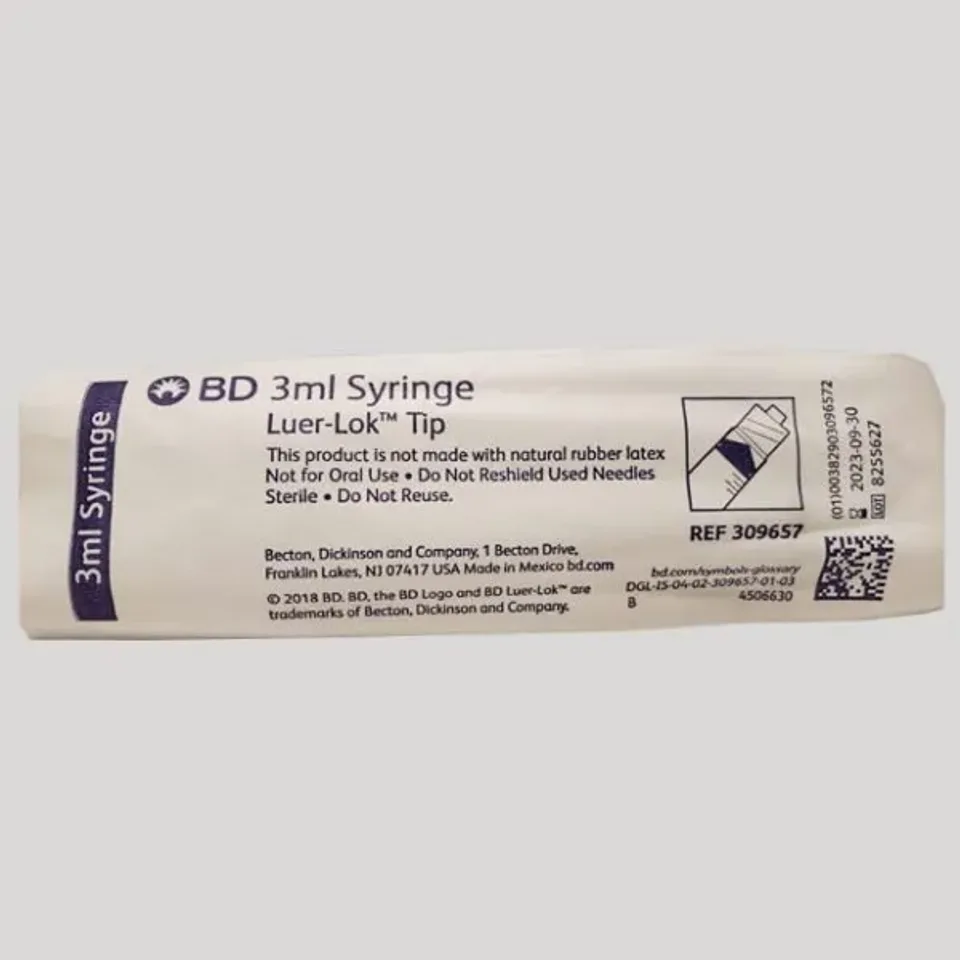
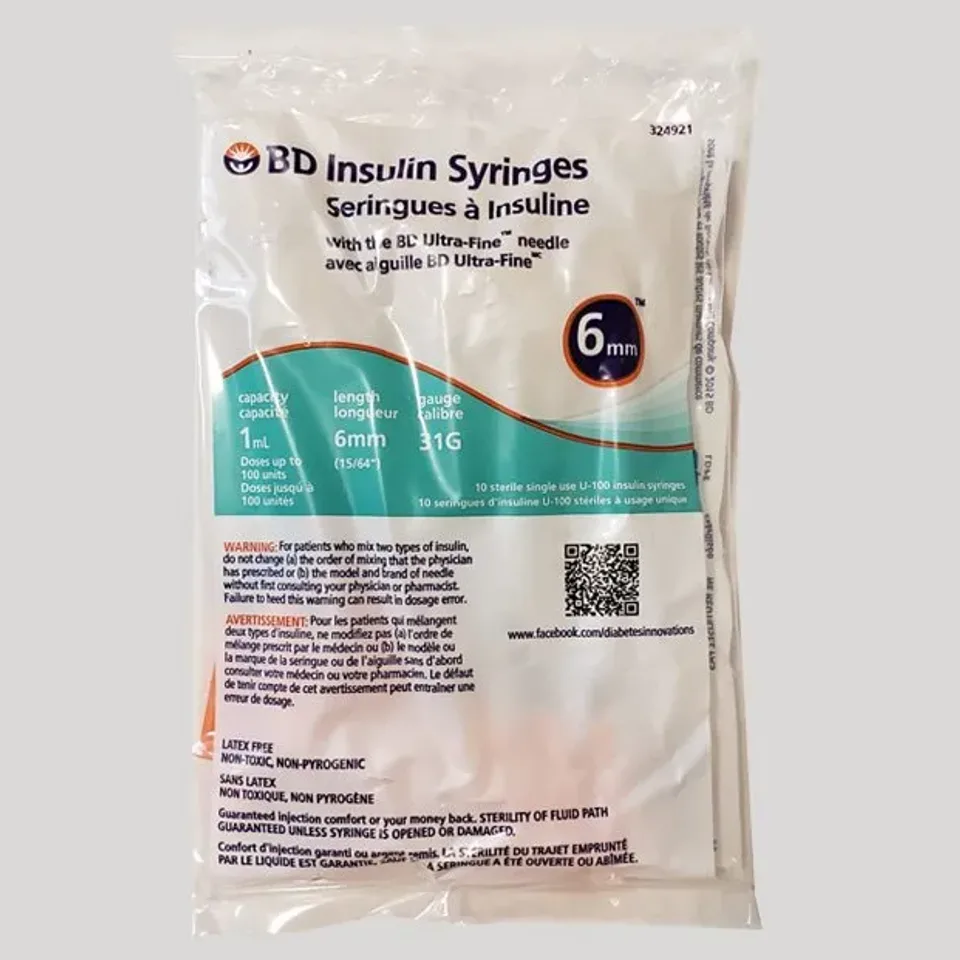
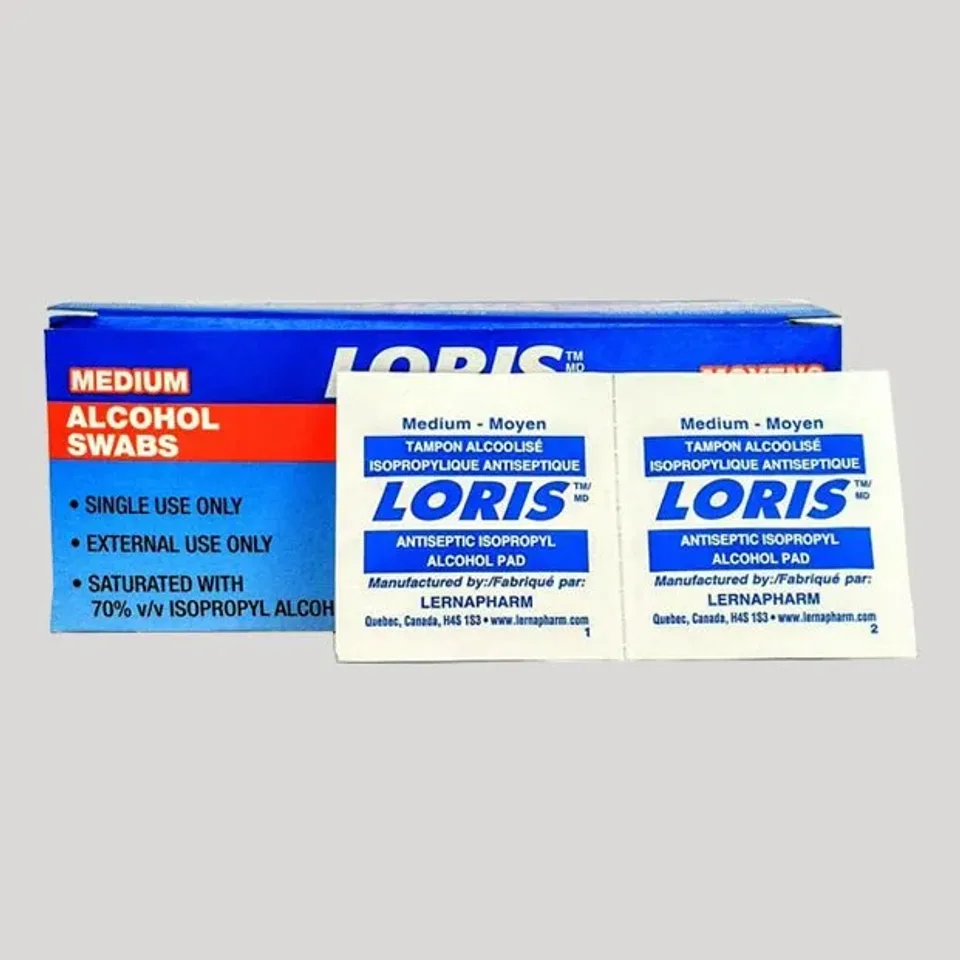
One 70 mg vial is listed at $95. That covers the freeze-dried powder only; bacteriostatic water, syringes and swabs are listed separately as supplies. Because the amount of each peptide is not disclosed, cost per milligram works out for the whole blend only, not for any single peptide.
Keep the vial sealed, dry and frozen until it is mixed. Manufacturer data cited by FDA say freeze-dried BPC-157 is stable for 3 weeks at room temperature but should be stored desiccated below -18 °C, as moisture greatly reduces the long-term stability of freeze-dried peptides.25 The TB-500 data sheet FDA cites also calls for protection from light.3 Handling after mixing is in the peptide storage guide.
Check the lab results page for a certificate of analysis for your lot. For a blend, look for a certificate that confirms the identity and amount of each of the four peptides, not only overall purity. FDA found that most certificates it located for BPC-157 and for KPV showed only a purity result, with no impurity limits or impurity test results.24
The powder is mixed with a diluent such as bacteriostatic water, measured with syringes and handled with alcohol swabs. The reconstitution calculator gives the total concentration from vial size and diluent volume. These are lab handling steps, not directions for use in people.
Written by D2C Peptides Editorial Team.
Pending qualified review.
Updated .
$35
In stock
View product
$45
In stock
View product
$75
In stock
View product
$55
In stock
View productNo products match these filters.
D2C Peptides sells peptides for laboratory research. Please confirm both statements to continue.