
HGH
$35
In stock
View product
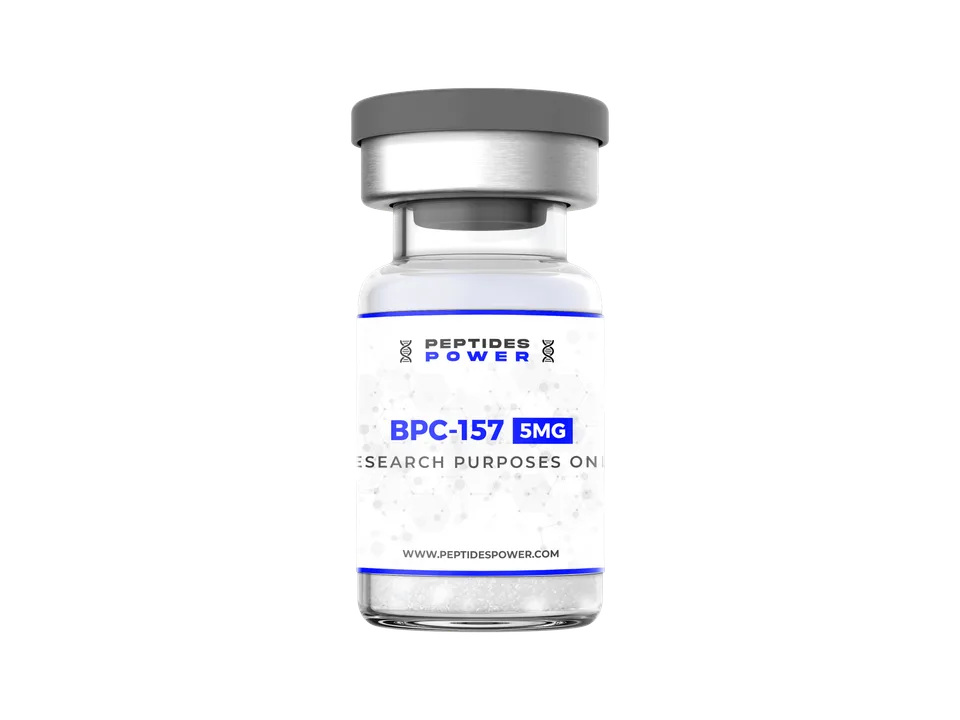
Also searched as: bpc 157, bpc157
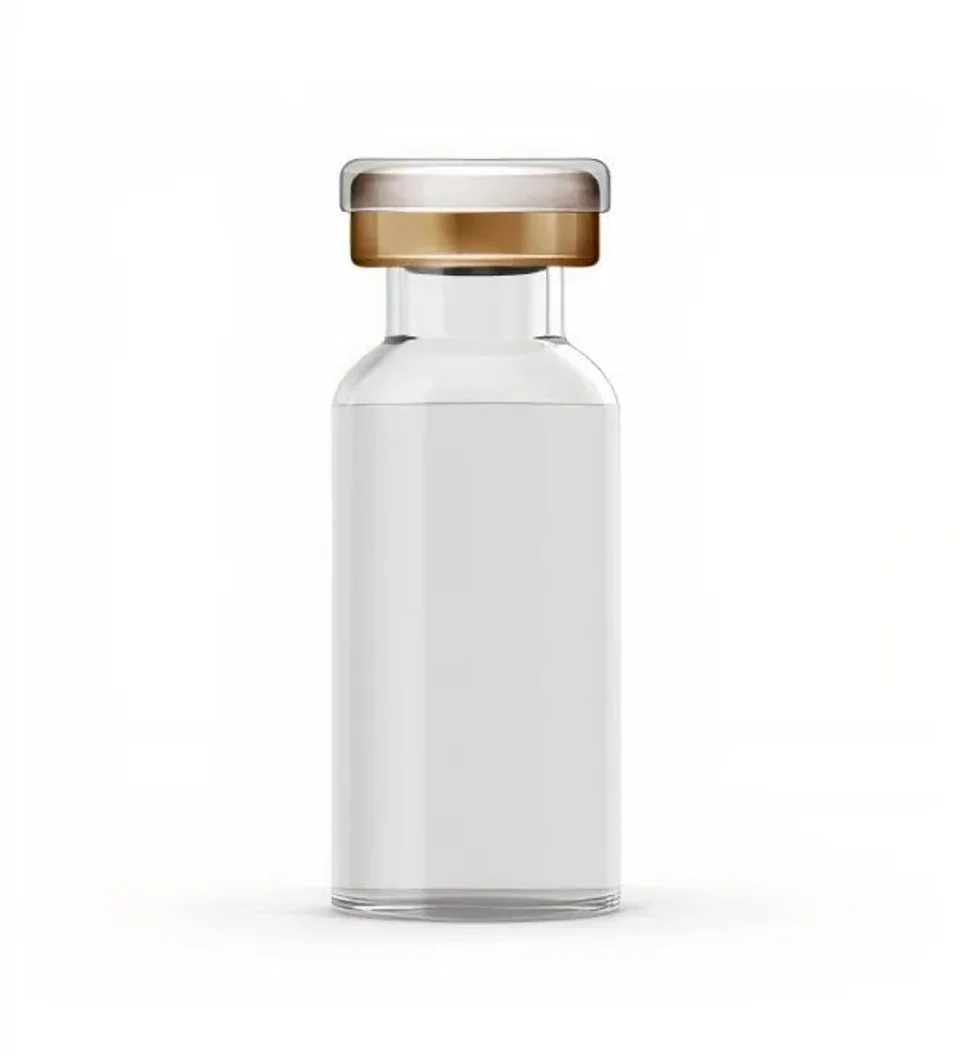
Sold as BPC-157 - 5mg
$30 In stock
For research use only. Not for human or veterinary use.
Ships from the USA or Canada. Shipping details
BPC-157 is a lab-made pentadecapeptide, a 15-amino-acid fragment of body protection compound, a protein found in human gastric juice.16 The vial holds 5 mg as freeze-dried powder, which FDA describes as white to off-white.5 Published research is mostly in rats, and FDA found no country where a BPC-157 medicine is approved.65
| Sequence (one-letter code) | GEPPPGKPADDAGLV3 |
|---|---|
| Sequence (three-letter code) | Gly-Glu-Pro-Pro-Pro-Gly-Lys-Pro-Ala-Asp-Asp-Ala-Gly-Leu-Val3 |
| Length | 15 amino acids (a pentadecapeptide)1 |
| Molecular formula | C62H98N16O22 (free base)25 |
| Molar mass | 1419.5 g/mol (free base)25 |
| CAS number | 137525-51-0 (free base). BPC-157 acetate, which FDA treats as a separate substance, is 216441-37-1.45 |
| PubChem CID | 99419572 |
| Form | White to off-white freeze-dried (lyophilized) powder5 |
| Solubility | 5 mg/mL in water (supplier data cited by FDA)5 |
| Vial contents | 5 mg of BPC-157 per vial |
| Strength | 5 mg |
| Ships from | USA, Canada |
| Category | Healing and Recovery Peptides |
| Storage | Supplier data cited by FDA advise keeping freeze-dried BPC-157 desiccated below -18 °C, because moisture greatly reduces the long-term stability of freeze-dried peptides.5 Dissolved BPC-157 is reported to keep 3 to 4 months at -20 °C, another supplier figure that FDA cites.5 |
Need BPC-157 in bulk for a lab? Apply for a wholesale account; terms are confirmed once the application is reviewed.
BPC-157, also written BPC157 or BPC 157, is a lab-made chain of 15 amino acids.16 Its sequence matches part of body protection compound, a protein discovered in human gastric juice.1 D2C Peptides lists BPC-157 for sale in one strength, a 5 mg research vial, under healing and recovery peptides.
Most of the research comes from rats with cut tendons, muscles or ligaments, or with gut injuries.65 FDA's 2026 review says the molecule's targets in the body have not been identified and its mechanisms remain poorly understood.5 Human data are thin: a 2026 systematic review found three small studies with 30 people in total and no control groups.6 It rated the certainty of that evidence very low.6 For side effects, study doses and the full regulatory history, read What is BPC-157?
FDA's 2026 review found no approved BPC-157 product in the US or any other country, and no USP or National Formulary monograph.5 FDA staff recommended against adding it to the 503A Bulks List, the bulk substances pharmacies may compound with.5 On July 23, 2026, FDA's advisory committee voted 8 to 6, with 1 abstention, to recommend adding it for ulcerative colitis.13 FDA says it will not make a final determination until that input has been considered.5
A research-only label does not settle legal status.12 FDA's June 2023 warning letter to one online seller called its injectable and nasal-spray BPC-157 products unapproved new drugs, because the seller's website pointed to use in people.12 In sport, BPC-157 is in WADA class S0, non-approved substances, which are banned at all times.11 For research use only. Not for human or veterinary use.
Supplier data cited by FDA report that BPC-157 dissolves in water at 5 mg/mL.5 FDA cautions that peptides such as BPC-157 are sensitive to pH, heat, concentration and impurities, which can make them clump (aggregate) or break down.5 The lab steps for mixing a vial are in the reconstitution guide, and the reconstitution calculator turns a chosen diluent volume into a concentration. Researchers can buy BPC-157 online here by the vial, or in quantity through wholesale.
Orders ship from the USA and Canada to addresses across the United States. Each origin is a separate option in the selector at the top of this page, with its own stock status, so you can pick one before checkout. Delivery details are on the shipping page, and return terms are on the returns page.
The listed strength is 5 mg per vial, and the BPC-157 price for that vial is $30. The selector shows the current price and stock for each shipping origin. Bacteriostatic water and the other lab supplies used with the vial are listed as separate items.
Keep the sealed vial frozen. Supplier data cited by FDA report that freeze-dried BPC-157 stays stable for about 3 weeks at room temperature, but advise dry storage below -18 °C for the long term.5 After mixing, the solution is reported stable for 2 to 3 weeks at 4 °C, also per supplier data that FDA cites.5 Lab practice is covered in the peptide storage guide.
Check the lab results page for testing documentation. Note which tests a certificate covers: FDA found that most certificates for BPC-157 report purity only, and it treats bacterial endotoxin testing as a critical check for injectable substances.5 An identity result should show a mass consistent with BPC-157 (PubChem gives 1419.5 g/mol for the free base) and name the form, free base or acetate.25
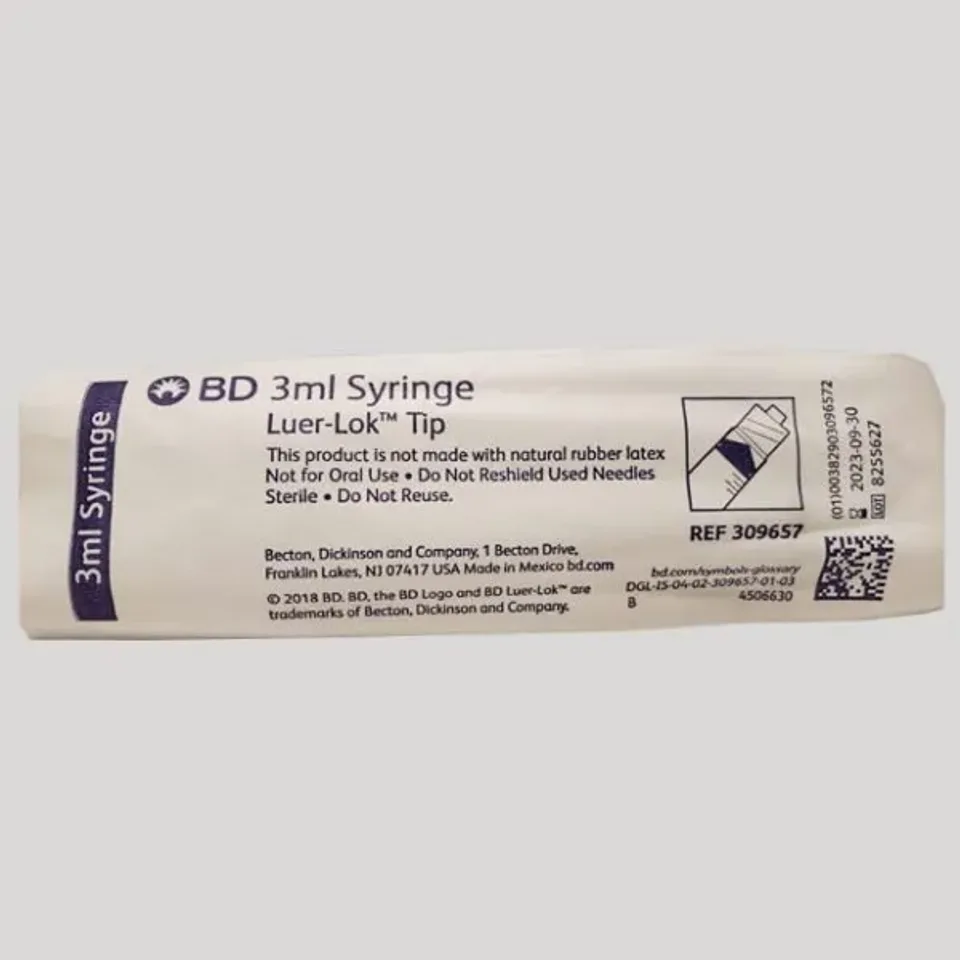
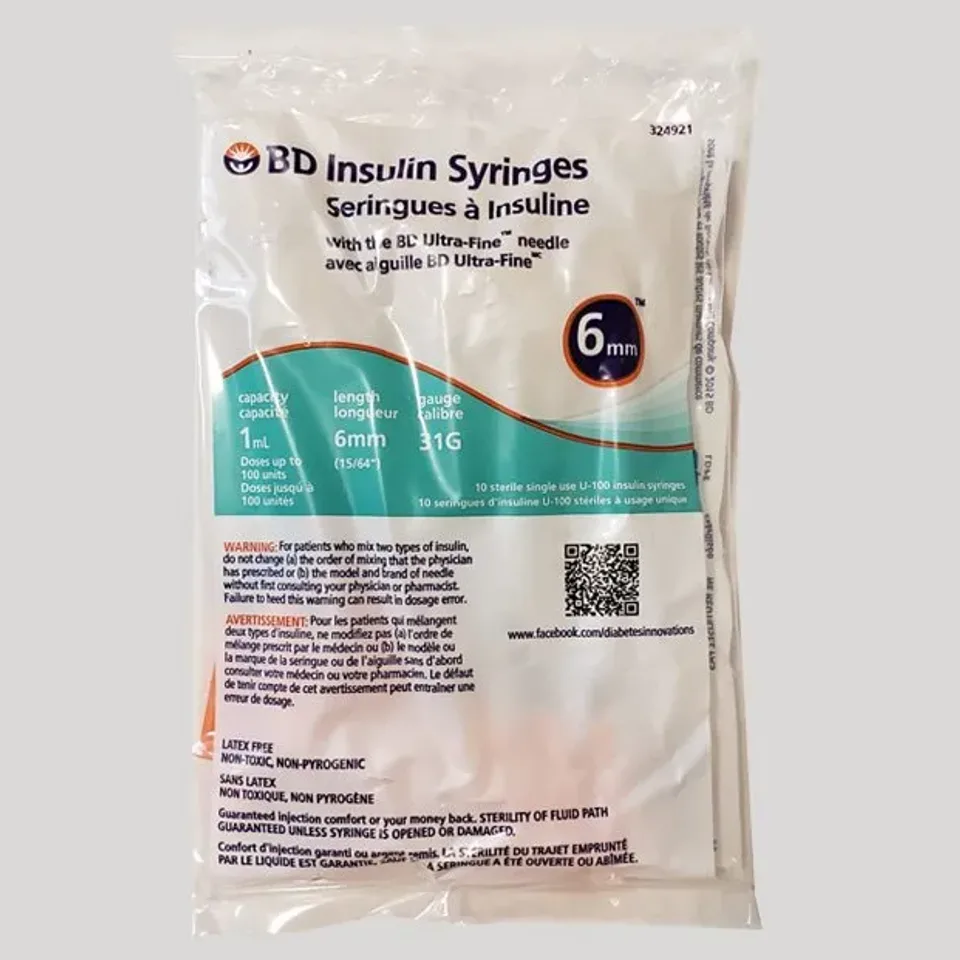
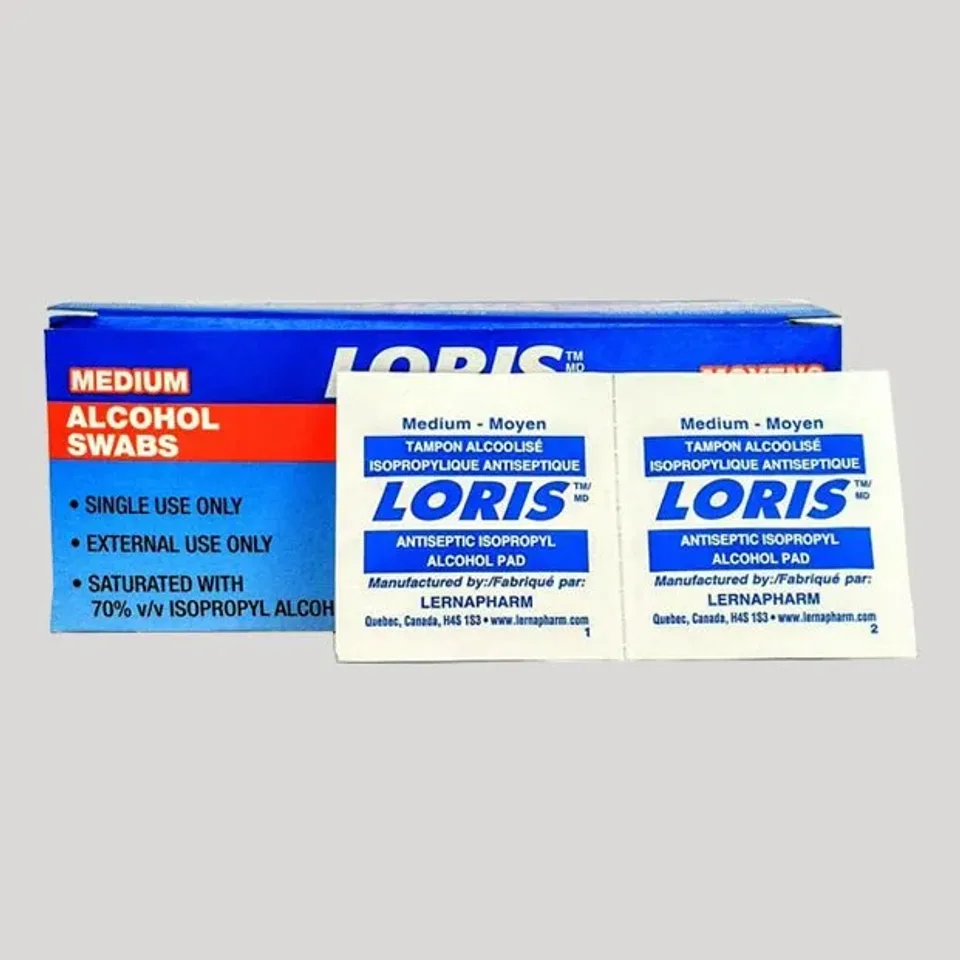
Five lab supplies are listed with this vial: insulin syringes, alcohol swabs, bacteriostatic water, an 18G 1-inch needle and a 3 mL Luer-Lok syringe. The reconstitution guide shows where each one fits when mixing a vial. It covers laboratory handling only, not use in people.
Written by D2C Peptides Editorial Team.
Pending qualified review.
Updated .
$35
In stock
View product
$45
In stock
View product
$95
In stock
View product
$45
In stock
View productNo products match these filters.
D2C Peptides sells peptides for laboratory research. Please confirm both statements to continue.