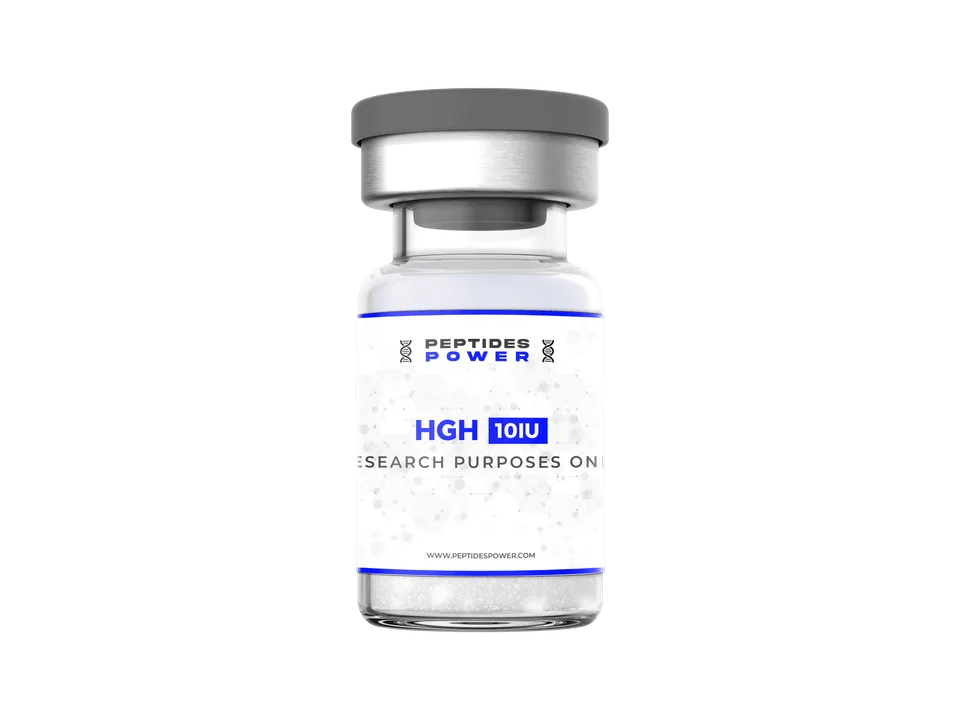
HGH
$35
In stock
View product
This category holds the research compounds we file under anti-aging, among them GHK-Cu, Epithalon, MOTS-c and NAD+, each labeled for research use only and shipped from the USA and Canada to addresses across the United States.
Anti-aging is a shopping label for this group, not a finding about any compound in it. Three of these compounds went before FDA's Pharmacy Compounding Advisory Committee in July 2026, and none was reviewed for aging: epitalon was reviewed for insomnia, MOTS-c for obesity and osteoporosis, and KPV for wound healing and inflammatory conditions.1 Trade press reported that the committee narrowly backed all three for pharmacy compounding, although FDA's own scientists had advised against them.2 FDA must still decide whether to accept those nonbinding votes and then go through rulemaking, and as of October 25, 2026 the federal list of bulk substances for pharmacy compounding names no peptide.23
NAD+ sits in Category 1 of FDA's list of bulk substances nominated for pharmacy compounding, meaning FDA is still evaluating it.4 GHK-Cu's status differs by route, as the questions below explain. HGH, both CJC-1295 vials and Ipamorelin are covered on the growth hormone peptides page. Education pages such as What is Epithalon? and What is GHK-Cu? set out what studies report and how strong the evidence is.
$35
In stock
View product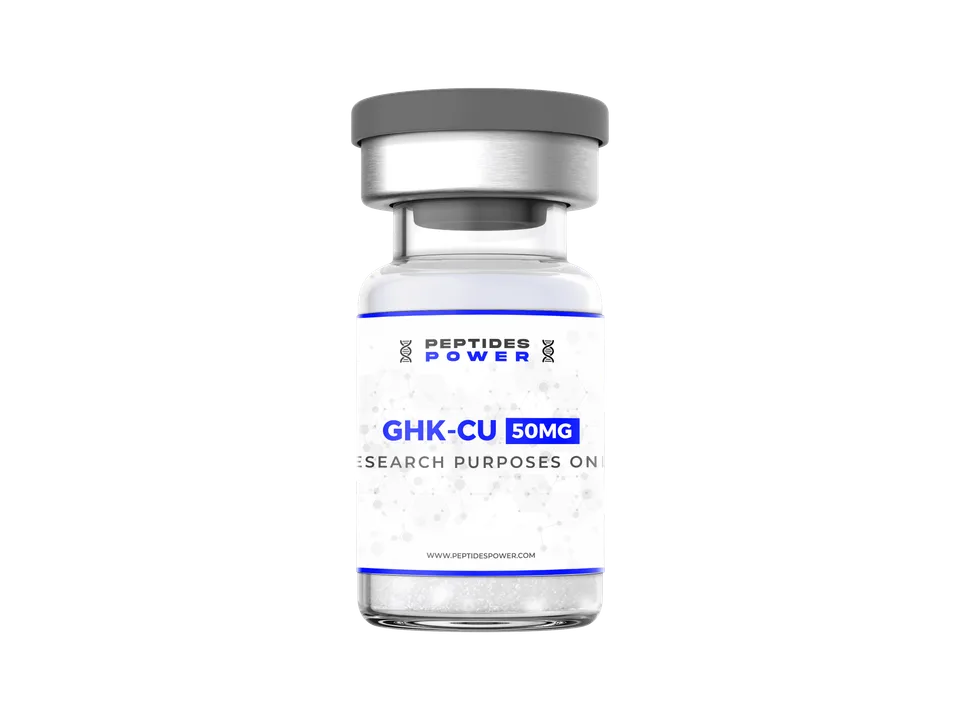
$45
In stock
View product
$95
In stock
View product
$75
In stock
View product
$55
In stock
View product
$60
In stock
View product
$30
In stock
View product
$40
In stock
View product
$30
In stock
View product
$75
In stock
View productNo products match these filters.
Orders ship from the USA and Canada to addresses across the United States, and each product page shows where its strengths ship from; terms are on the shipping page. Returns are handled as the returns page describes, and testing documents are listed on the lab results page as they become available. If a vial holds a freeze-dried powder, the reconstitution guide covers mixing it with a diluent such as bacteriostatic water.
For pharmacy compounding, FDA treats GHK-Cu differently by route. On FDA's May 2026 list, GHK-Cu for non-injectable routes is in Category 1, still under evaluation, and FDA plans to consult its advisory committee before the end of February 2027.4 Injectable GHK-Cu is on FDA's list of substances whose Category 2 nominations were withdrawn, where FDA notes a possible risk of immune reactions and limited human safety data; that list is not an approval.5 Health Canada named GHK-Cu among unauthorized injectable peptides in April 2026.6 Here it is sold only for laboratory research under our research use policy.
Its safety in people has not been established: FDA says it has not identified any human exposure data on drug products containing MOTS-c by any route, and lacks important information on whether it would cause harm if given to people.5 Health Canada's April 2026 warning about injectable peptides bought online named MOTS-C, and said such products may contain too much, too little or none of the active ingredient, as well as contaminants such as solvents, heavy metals and particles.6 The studies that exist are summarized on What is MOTS-c?.
Yes. They are two spellings of one peptide name: FDA and Health Canada write Epitalon, and our catalog lists it as Epithalon.56 FDA lists epitalon among substances once in Category 2, its group for significant safety concerns, whose nominations were later withdrawn, and says it has not identified safety information for the proposed route.5 Both spellings refer to the Epithalon vial sold here.
D2C Peptides sells peptides for laboratory research. Please confirm both statements to continue.