
HGH
$35
In stock
View product
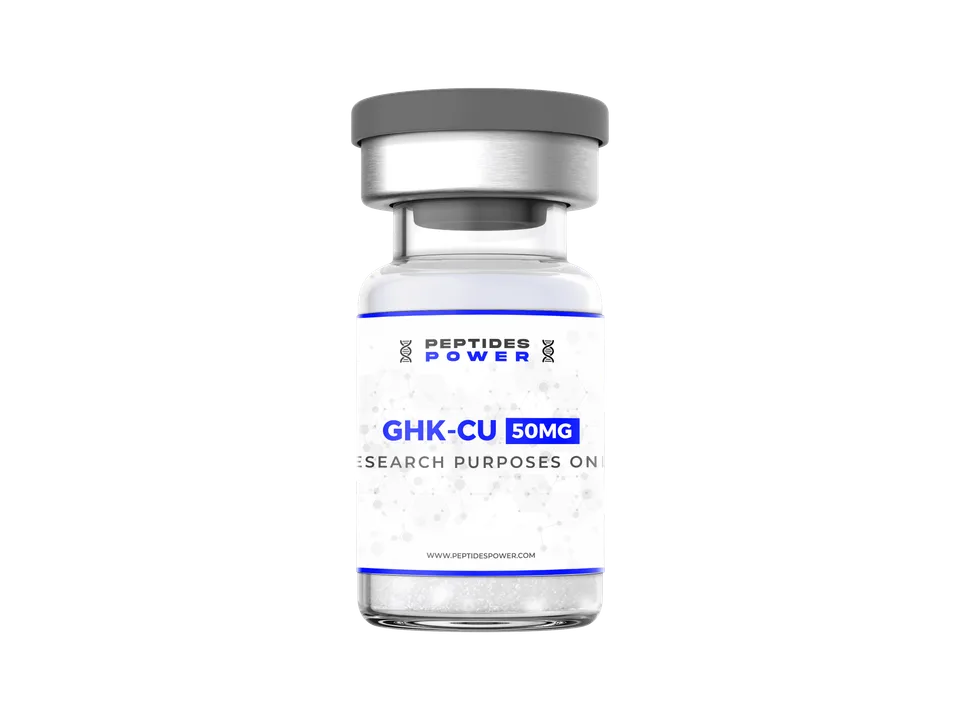
Also searched as: ghk cu, ghkcu, copper peptide
Sold as GHK-Cu - 50mg
$45 In stock
For research use only. Not for human or veterinary use.
Ships from the USA or Canada. Shipping details
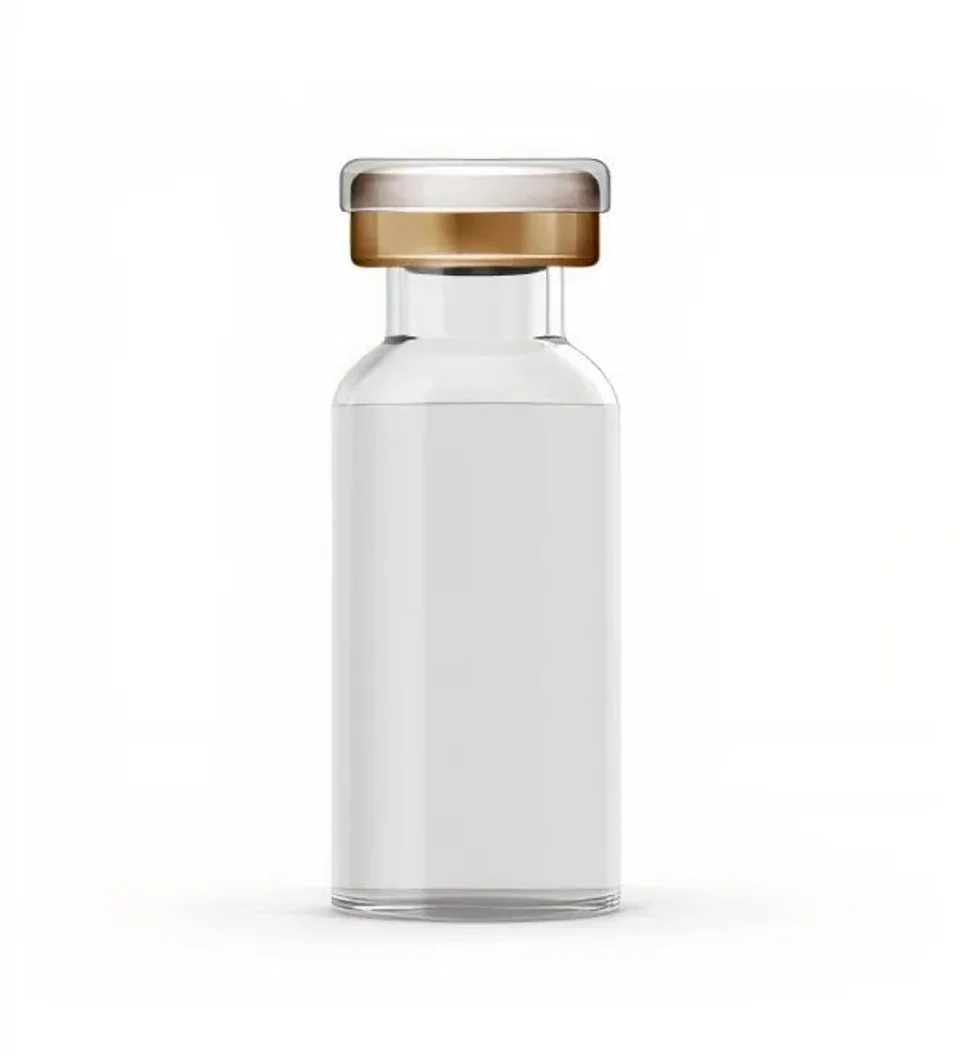
GHK-Cu is the copper(II) complex of GHK, a tripeptide of glycine, histidine and lysine that occurs naturally in human plasma.19 Its cosmetic ingredient name is copper tripeptide-1, and FDA stated in 2020 that it is not a component of any FDA-approved human drug.310 This vial holds 50 mg of the complex, which the supplier describes as a blue freeze-dried solid.8
| Sequence | Gly-His-Lys (glycyl-L-histidyl-L-lysine) with one copper(II) ion bound; one-letter code GHK125 |
|---|---|
| Other names | Prezatide copper, copper tripeptide-1 (cosmetic INCI name), copper peptide3 |
| Molecular formula | C14H22CuN6O4 (PubChem CID 165429100); shown as C14H23CuN6O4+ for CID 7158732845 |
| Molar mass | 401.91 g/mol (CID 165429100); 402.92 g/mol (CID 71587328)45 |
| Copper-free GHK, for comparison | C14H24N6O4, 340.38 g/mol (CID 73587)6 |
| CAS number | 89030-95-5 (GHK-copper complex); 49557-75-7 (copper-free GHK)72 |
| PubChem CID | 71587328 (prezatide copper)5 |
| Form | Blue freeze-dried (lyophilized) solid, per the supplier's specification8 |
| Vial contents | 50 mg per vial |
| Strength | 50 mg |
| Ships from | USA, Canada |
| Categories | Anti-Aging Peptides, Healing and Recovery Peptides |
| Storage | The supplier lists a shelf life of 36 months at -20 °C or 30 days at 2 to 8 °C for the freeze-dried solid; these are supplier statements, not independent stability data.8 The sources reviewed give no shelf life for GHK-Cu once a vial is mixed. |
Labs that need bulk GHK-Cu, or one GHK-Cu supplier for an ongoing study, can apply for a wholesale account. GHK-Cu wholesale terms are confirmed on application.
GHK-Cu is GHK, a three-amino-acid peptide found in human plasma, saliva and urine, carrying a bound copper ion.9 Loren Pickart isolated it in 1973 as an activity in human albumin.9 The GHK sequence also occurs within type I collagen.14
GHK-Cu for sale here is a 50 mg research vial; the selector shows the GHK-Cu price and stock for each ship-from origin. The human trials below applied GHK-Cu to the skin, the injection studies were in rats and mice, and FDA says human data on injectable GHK-Cu are limited.111213151618 For mechanisms, safety and the full source list, read What is GHK-Cu? before you buy GHK-Cu online for a study.
FDA stated in a 2020 warning letter that GHK-Cu has no USP or NF monograph and is not a component of any FDA-approved human drug.10 On FDA's 503A compounding list updated May 14, 2026, GHK-Cu for non-injectable routes is in Category 1, substances under evaluation; injectable routes are excluded.17 FDA plans to consult its Pharmacy Compounding Advisory Committee on GHK-Cu before the end of February 2027.17 The WADA 2026 Prohibited List does not name GHK-Cu; its class S0 bans unapproved pharmacological substances at all times, without saying whether GHK-Cu is one.19
A 2016 preformulation study found GHK-Cu stable in water and in pH 4.5 to 7.4 buffers for at least two weeks at 60 °C, while alkaline and oxidizing conditions, and to a lesser extent acid, broke it down.20 Copper adds its own chemistry: it can take part in redox reactions, and a 2026 review notes that additives and antioxidants may protect GHK-Cu or change its chemical form.21
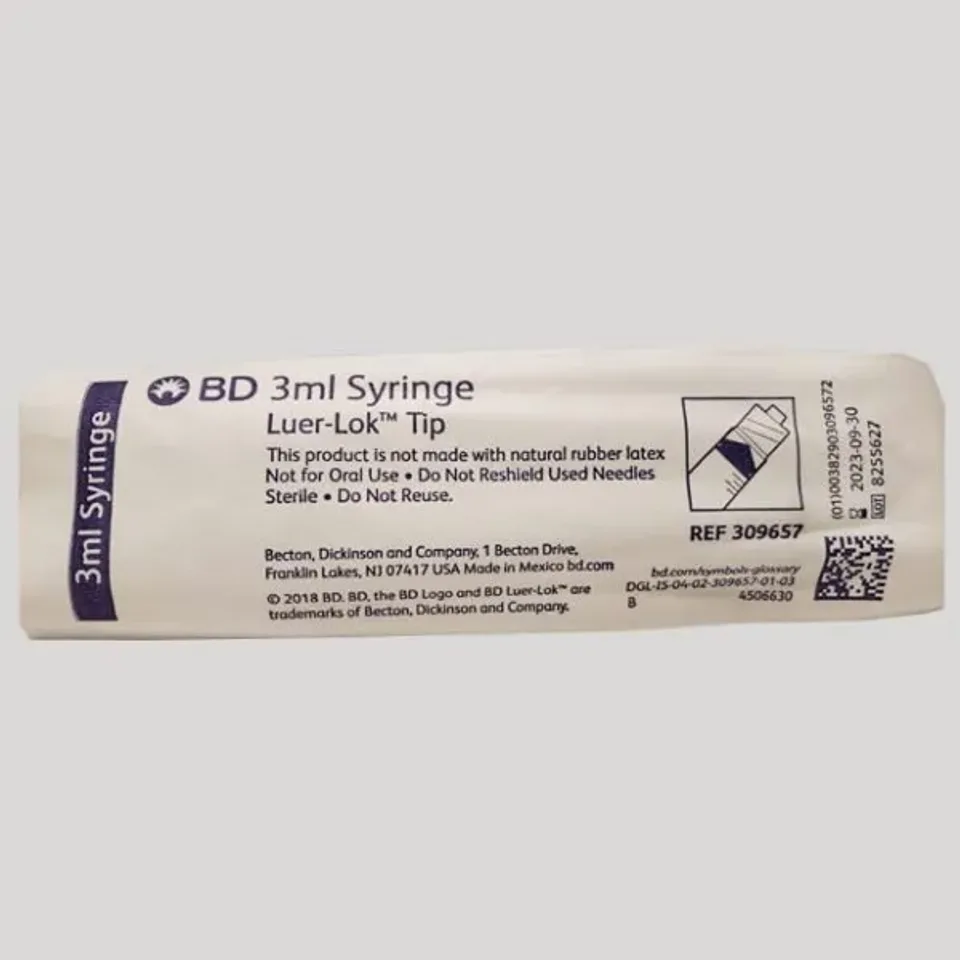
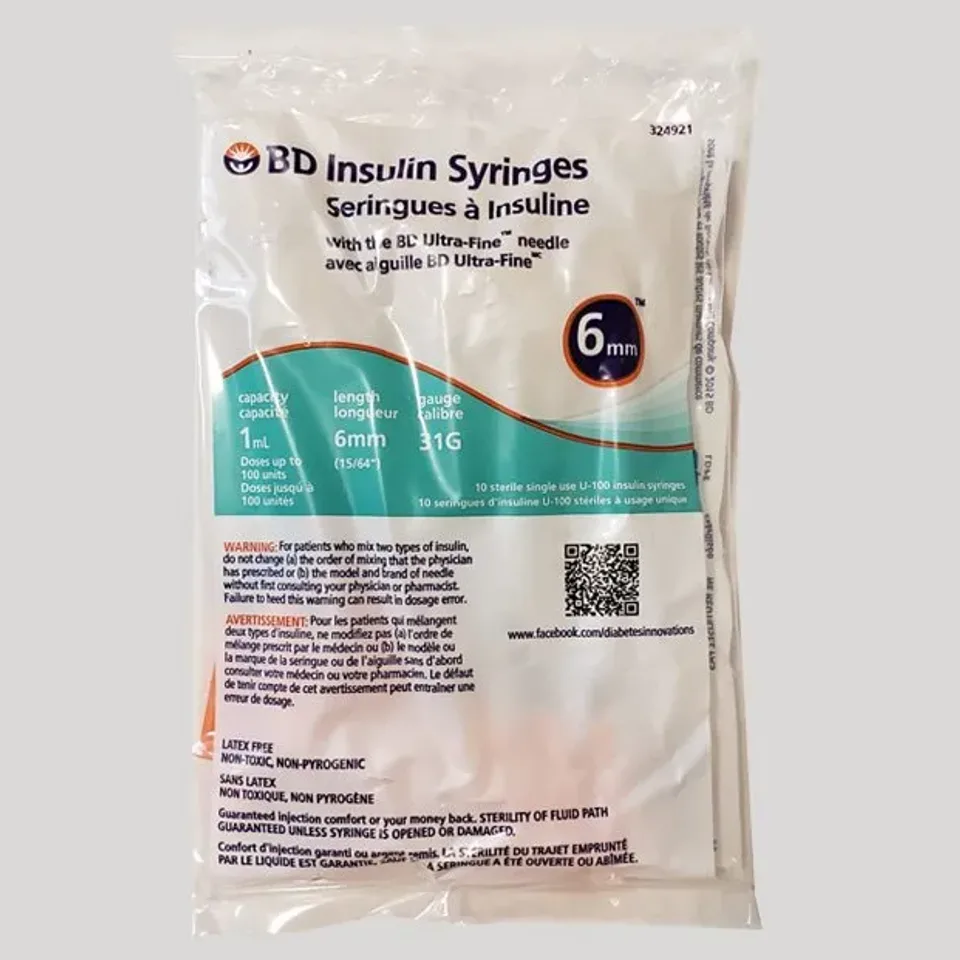
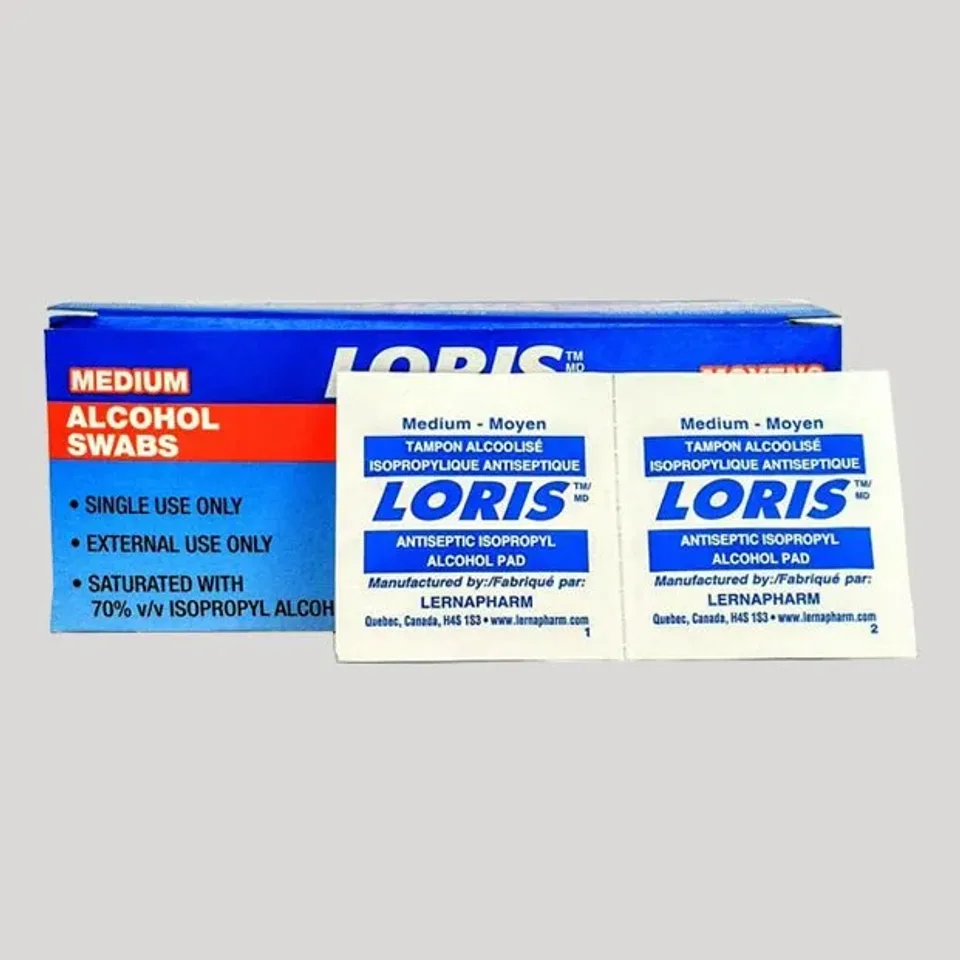
Lab mixing uses bacteriostatic water, a 3 mL Luer-Lok syringe, an 18G 1-inch needle, insulin syringes and alcohol swabs. The reconstitution guide sets out the lab steps, and the reconstitution calculator does the concentration math. GHK-Cu is filed under anti-aging peptides and healing and recovery peptides, with the full range on the research peptides page.
No. You can buy GHK-Cu here only as a research vial, and every vial is labeled: For research use only. Not for human or veterinary use. FDA stated in 2020 that GHK-Cu is not a component of any FDA-approved human drug.10 FDA says compounded injectable GHK-Cu may pose a risk of immune reactions because of aggregation and peptide-related impurities, and that human data are limited.18
Orders ship from the USA and Canada to addresses across the United States. The selector at the top of the page shows the stock for each ship-from origin before you add the vial to your cart. Delivery details are on the shipping page, and return terms are on the returns page.
The supplier lists 36 months at -20 °C against 30 days at 2 to 8 °C for the freeze-dried solid, so a freezer suits long storage.8 These are the supplier's figures, not independent stability data, and no source reviewed gives a shelf life once a vial is mixed. General steps are in How to store peptides.
Lab documents are on the lab results page. On a GHK-Cu certificate, the measured mass tells you which form the vial holds: about 402 g/mol for the 1:1 copper complex, against 340.38 g/mol for copper-free GHK.56 Impurity results matter too: FDA ties the immune-reaction risk of compounded injectable GHK-Cu to aggregation and peptide-related impurities.18
Freeze-dried vials are mixed with a diluent such as bacteriostatic water, measured with syringes and handled with alcohol swabs. The sources reviewed give no reconstitution method specific to GHK-Cu, so the general reconstitution guide applies. These are lab handling steps, not directions for use in people.
Written by D2C Peptides Editorial Team.
Pending qualified review.
Updated .
$35
In stock
View product
$95
In stock
View product
$75
In stock
View product
$55
In stock
View productNo products match these filters.
D2C Peptides sells peptides for laboratory research. Please confirm both statements to continue.