
Sermorelin
$70
In stock
View product
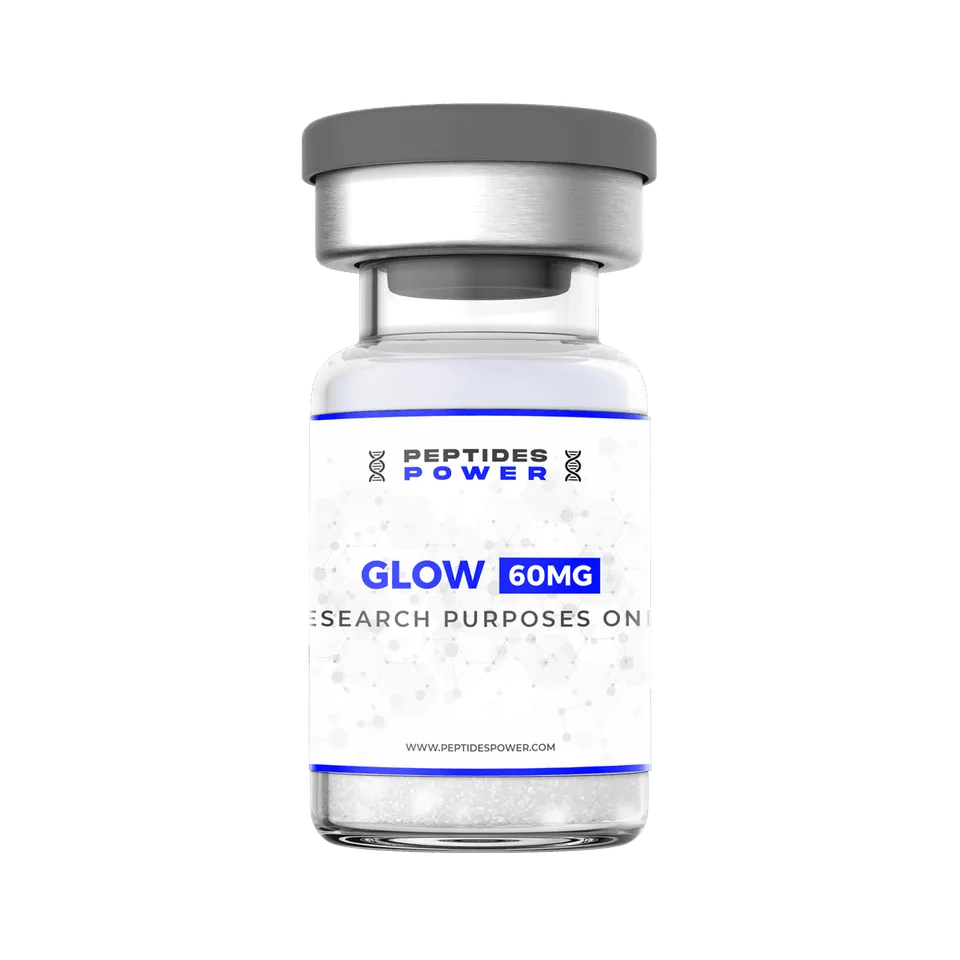
Also searched as: glow peptide, glow blend
Sold as Glow 60mg Peptide Stack
$85 In stock
For research use only. Not for human or veterinary use.
Ships from the USA or Canada. Shipping details
| Vial contents | 60 mg freeze-dried powder: GHK-Cu 50 mg, BPC-157 5 mg, TB-500 5 mg21 |
|---|---|
| Ratio by weight | 10 : 1 : 1 (GHK-Cu : BPC-157 : TB-500)21 |
| Sequences | GHK-Cu: Gly-His-Lys bound to copper(II). BPC-157: GEPPPGKPADDAGLV. TB-500: Ac-LKKTETQ (N-acetylated)1254 |
| Molecular formula | No single formula for the blend. GHK-Cu (as prezatide copper): C14H23CuN6O4+. BPC-157: C62H98N16O22. TB-500: C38H68N10O14678 |
| Molar mass | GHK-Cu (as prezatide copper): 402.92 g/mol. BPC-157: 1419.5 g/mol. TB-500: 889.0 g/mol678 |
| CAS number | None for the blend. GHK-Cu (as prezatide copper): 89030-95-5. BPC-157: 137525-51-0. TB-500: 885340-08-9121 |
| PubChem CID | None for the blend. GHK-Cu (prezatide copper): 71587328. BPC-157: 9941957. TB-500: 62707662678 |
| Strength | 60 mg |
| Ships from | USA, Canada |
| Storage | The supplier lists a shelf life of 36 months at -20°C and 30 days at 2 to 8°C; no published study of this mix backs those figures.219 FDA notes that pH, heat, concentration and impurities may make peptides aggregate and degrade.4 |
Labs that need several Glow vials can apply for a wholesale account; bulk terms are confirmed on application.
Glow is three research peptides freeze-dried together at a fixed 10 : 1 : 1 ratio by weight, so the powder is five sixths GHK-Cu.21 GHK, a tripeptide found naturally in human plasma, binds copper, and most authors attribute its effects to that binding.2 BPC-157 is a synthetic 15-amino-acid fragment of a gastric juice protein.314 TB-500 is a synthetic, acetylated piece of thymosin beta-4 (amino acids 17 to 23), which FDA says is not the same substance as thymosin beta-4.4
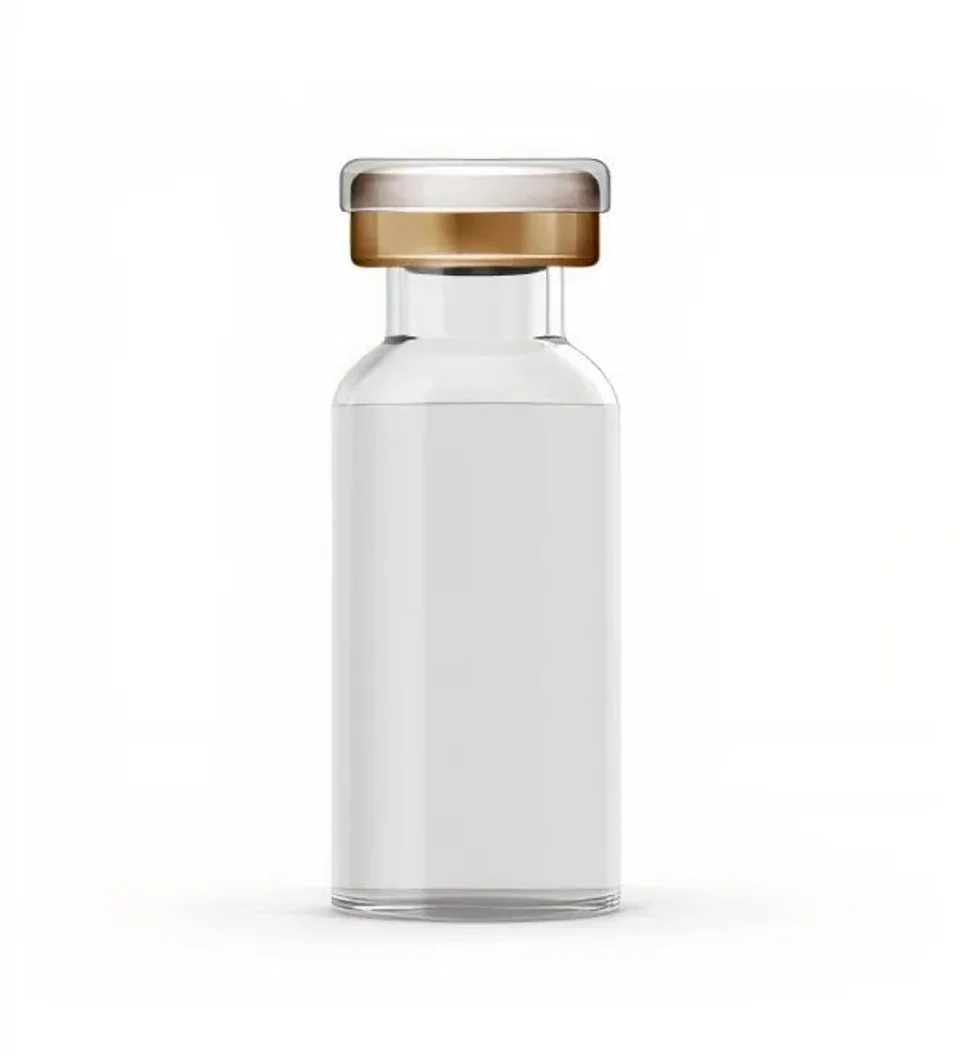
The Glow peptide for sale here is one 60 mg vial for laboratory research.21 Read What is Glow Peptide Stack? for the full evidence review, or compare single ingredients among our research peptides.
Glow is not an approved drug: FDA states that neither BPC-157 nor TB-500 is a component of an FDA-approved drug.34 All three (GHK-Cu for injectable routes) were once in FDA's compounding Category 2, for substances that may present significant safety risks; the nominators withdrew them, and FDA still lists safety concerns for each.15 For its July 2026 advisory committee meeting, FDA proposed keeping BPC-157 and TB-500 off the 503A Bulks List of substances compounding pharmacies may use.16 The committee voted 8 to 6 to recommend them, a nonbinding vote, and no proposed rule had appeared in the Federal Register by October 24, 2026.1718 FDA says a meeting before the end of February 2027 will discuss GHK-Cu for the same list.22 WADA's 2026 Prohibited List covers BPC-157 (S0) and TB-500 (S2).19 Health Canada names all three among unauthorized injectable peptides it has seized and says "research use only" labels do not make them legal.20
Glow ships as one freeze-dried powder, so adding diluent reconstitutes all 60 mg at once.21 Researchers who buy glow peptide therefore work with a fixed ratio: any solution made from the vial carries 10 mg of GHK-Cu and 1 mg of TB-500 per 1 mg of BPC-157.21 Lab steps are in How to reconstitute a peptide vial, and the reconstitution calculator works out concentration from vial size and diluent volume.
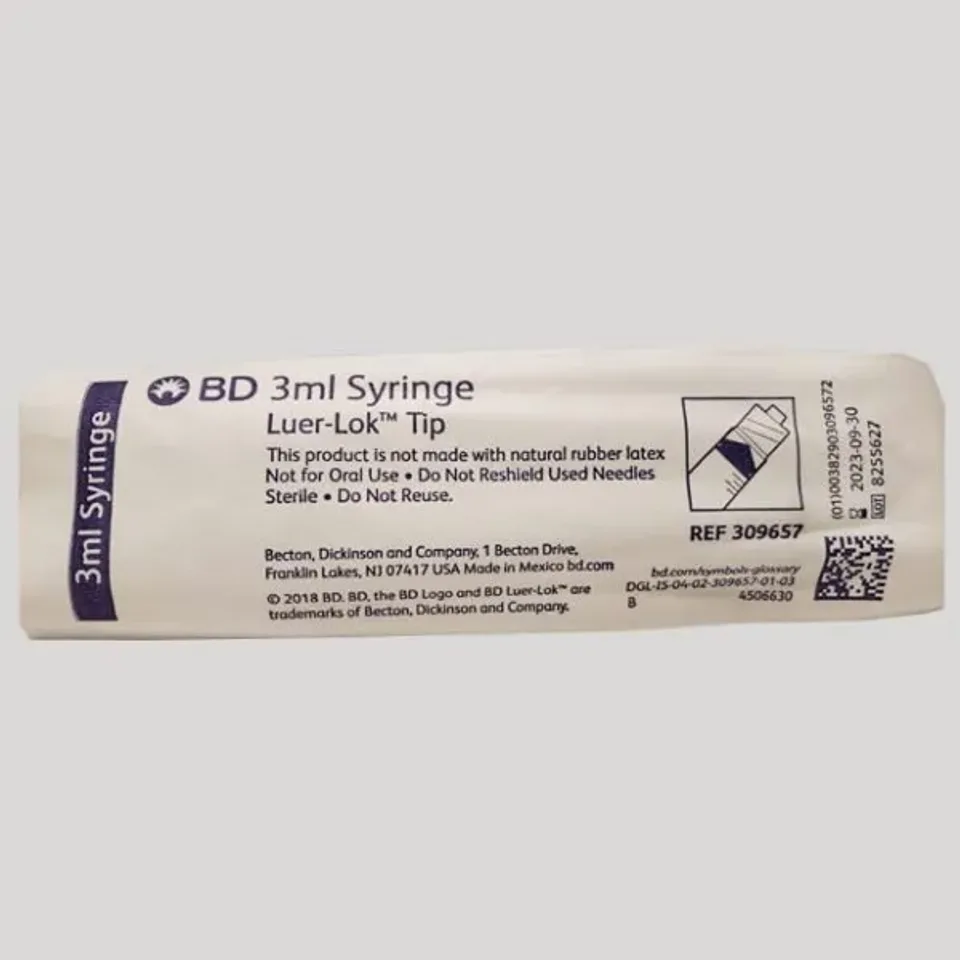
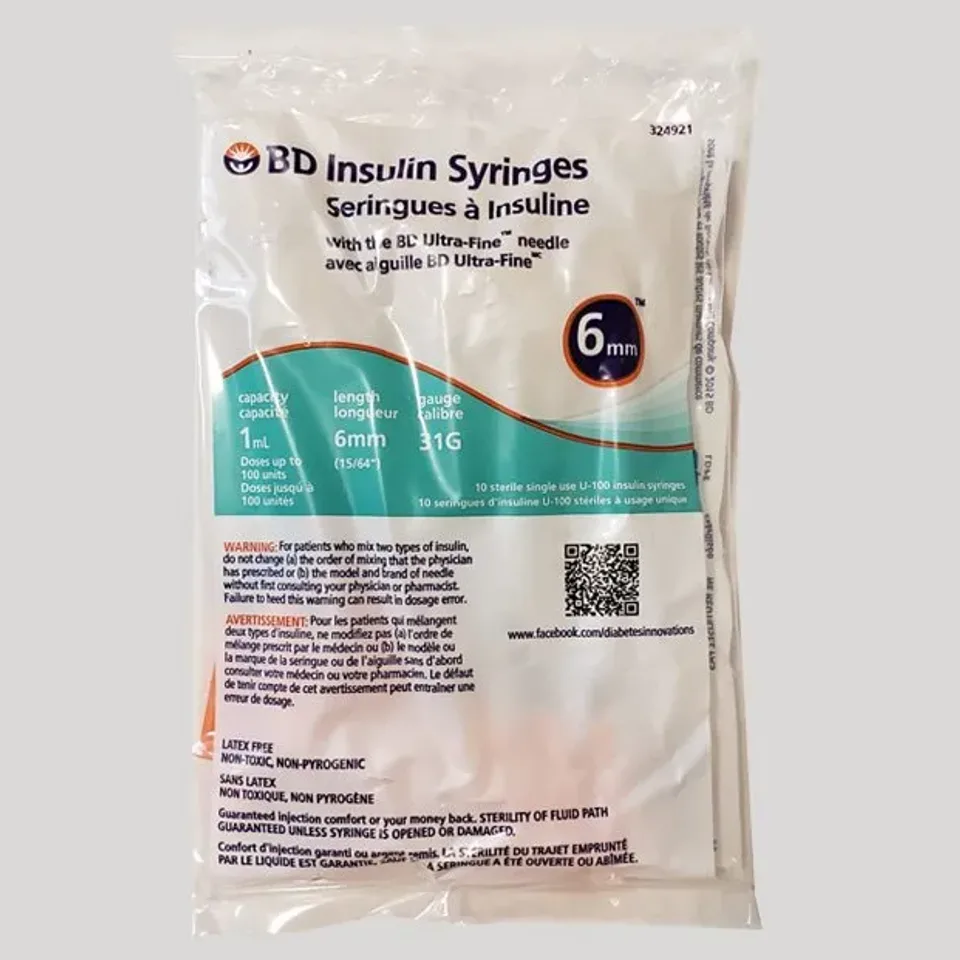
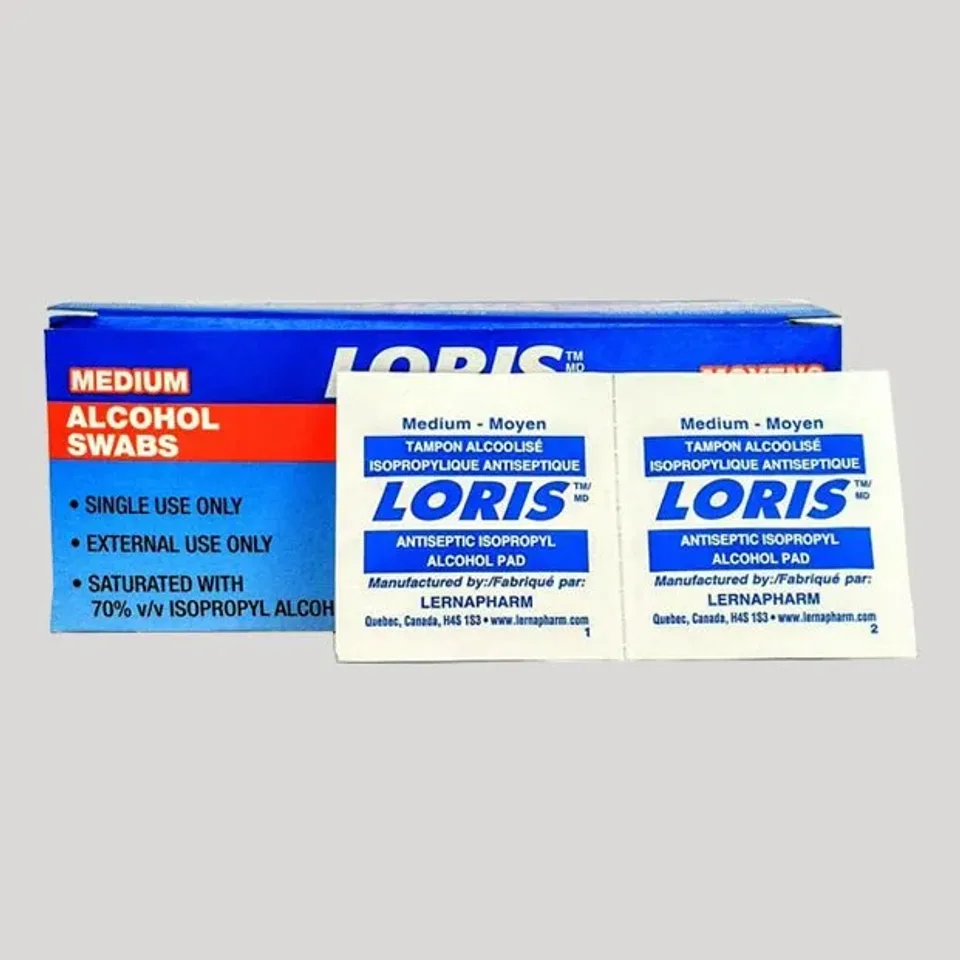
Supplies listed with this vial, each sold separately: Bacteriostatic Water, the 3mL Syringe, Luer-Lok Tip, the 18G 1-Inch Needle, Insulin Syringes and Alcohol Swabs. The glow peptide price is for the vial alone.
A 2026 review reports that chemical analyses of direct-to-consumer peptides found severe manufacturing variability, including significant deviations from stated doses.13 Before you buy glow peptide online, check which tests the seller's lot certificate reports; see our lab results page. For larger orders, see wholesale.
On this page. D2C Peptides lists the Glow Peptide Stack as one 60 mg vial of freeze-dried powder holding 50 mg of GHK-Cu, 5 mg of BPC-157 and 5 mg of TB-500.21 It is sold for laboratory research use only, not for use in people. Shipping details are on the shipping page.
One: 60 mg per vial, at a fixed 10 : 1 : 1 ratio by weight, because the three peptides share one powder.21 A study that needs a different balance can use single peptides instead. GHK-Cu, BPC-157 and TB-500 are listed separately, and the Wolverine Stack (10 mg (5 mg + 5 mg)) pairs BPC-157 and TB-500 without GHK-Cu.
Keep it sealed, dry and frozen. No published stability study of this mix was found.9 FDA cites reports that freeze-dried BPC-157 keeps 3 weeks at room temperature but should be stored dry below -18°C long term, and that sealed TB-500 powder kept from moisture and light lasts a year at -20°C.34 Handling after mixing is in the storage guide.
See our lab results and certificates of analysis page. Check which tests a certificate reports, not only purity. FDA found that most BPC-157 certificates list purity results only, although it treats endotoxin testing as a critical quality attribute for injectable materials.3 A representative TB-500 certificate it reviewed did not test assay, impurities, endotoxins or aggregates.4
Written by D2C Peptides Editorial Team.
Pending qualified review.
Updated .
$70
In stock
View product
$85
In stock
View product
$35
In stock
View product
$70
In stock
View productNo products match these filters.
D2C Peptides sells peptides for laboratory research. Please confirm both statements to continue.