
HGH
$35
In stock
View product
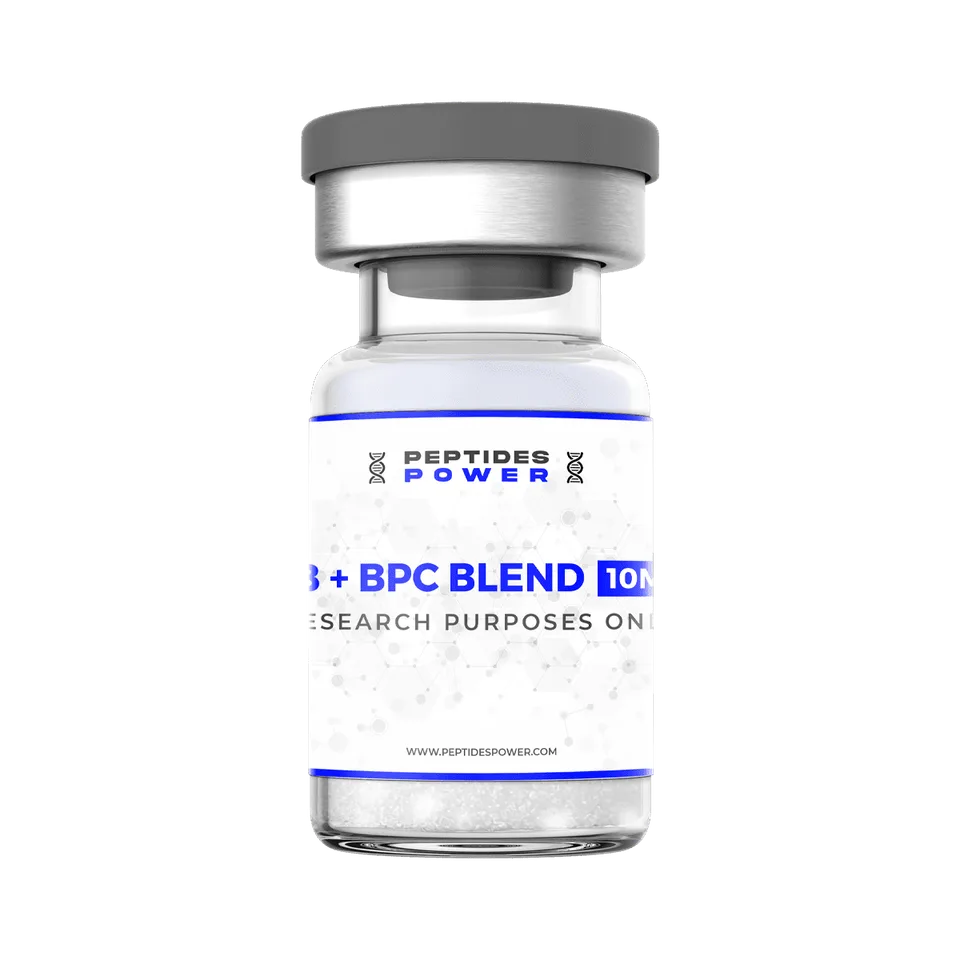
Also searched as: bpc 157 tb 500, bpc-157 tb-500, wolverine stack, bpc tb500
Sold as BPC-157 + TB-500 Peptide Blend
$60 In stock
For research use only. Not for human or veterinary use.
Ships from the USA or Canada. Shipping details
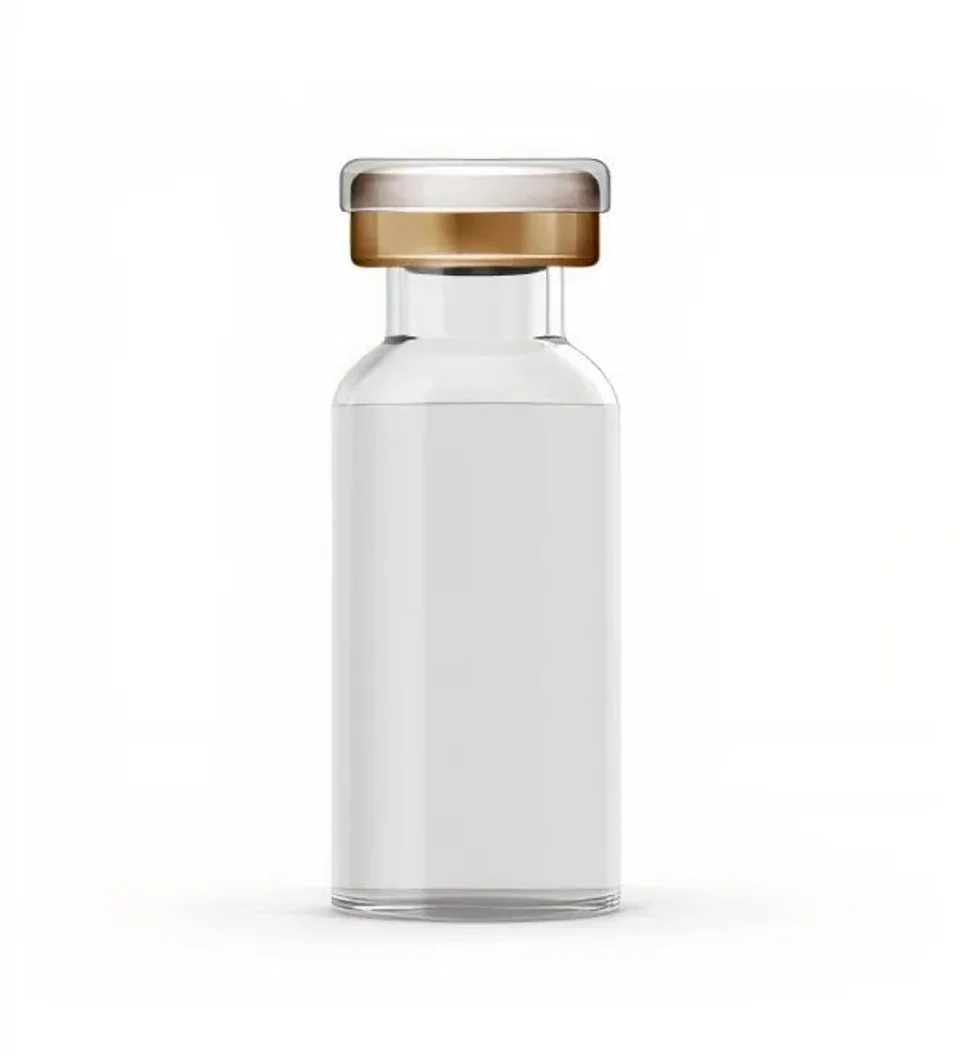
| Vial contents | 10 mg (5 mg + 5 mg): 5 mg BPC-157 and 5 mg TB-500 in one vial |
|---|---|
| Ratio by weight | 1 to 1 (BPC-157 to TB-500) |
| Form | Freeze-dried (lyophilized) powder holding both peptides |
| Components | BPC-157: synthetic peptide of 15 amino acids (a pentadecapeptide). TB-500: N-acetylated synthetic peptide of 7 amino acids, copied from amino acids 17 to 23 of thymosin beta-4129 |
| Sequence (one-letter code) | BPC-157: GEPPPGKPADDAGLV. TB-500: Ac-LKKTETQ49 |
| Sequence (three-letter code) | BPC-157: Gly-Glu-Pro-Pro-Pro-Gly-Lys-Pro-Ala-Asp-Asp-Ala-Gly-Leu-Val. TB-500: Ac-Leu-Lys-Lys-Thr-Glu-Thr-Gln-OH47 |
| Molecular formula | No single formula for the mixture. BPC-157: C62H98N16O22. TB-500: C38H68N10O1436 |
| Molar mass | BPC-157: 1419.5 g/mol. TB-500: 889.0 g/mol36 |
| CAS number | Listed per peptide. BPC-157: 137525-51-0. TB-500 (free base): 885340-08-9; FDA notes some websites use this number for TB-500 acetate582 |
| PubChem CID | Listed per peptide. BPC-157: 9941957. TB-500: 6270766236 |
| Strength | 10 mg (5 mg + 5 mg) |
| Ships from | USA, Canada |
| Category | Muscle Growth Peptides |
| Storage | FDA's reviews give storage data for each peptide alone, not for the two mixed.12 Sources cited there keep dry BPC-157 desiccated below -18 °C and dry TB-500 sealed, away from moisture and light, at -20 °C or colder (free base) or below -15 °C (acetate).12 |
Labs ordering Wolverine Stack in quantity, alone or with the single BPC-157 and TB-500 vials, can apply for wholesale terms, confirmed during the application.
Wolverine Stack puts two lab-made peptides in one vial. BPC-157 is a 15-amino-acid chain described as a piece of a protein from human gastric juice.1 TB-500 is an acetylated copy of amino acids 17 to 23 of thymosin beta-4, and FDA states that it and thymosin beta-4 are not the same substance.29 This page lists Wolverine Stack for sale as one 10 mg (5 mg + 5 mg) research vial in the muscle growth peptides category.
That is a store category, not a research finding: published studies of these peptides look at healing after tendon, ligament or muscle injury, most of them in animals.1310 The pair has been given together in one 2026 rat study and to 3 patients; 4 others got BPC-157 with thymosin beta-4.101211 Reported reactions, the amounts used in studies and the legal history are covered in What is Wolverine Stack (BPC-157 + TB-500)?
Neither peptide, in free base or acetate form, is an ingredient of an FDA-approved drug, and neither has its own USP or National Formulary monograph.12 FDA staff assessed both for a July 23, 2026 compounding advisory meeting (BPC-157 for ulcerative colitis, TB-500 for wound healing) and advised against adding either to the 503A Bulks List.1412 Committee members disagreed and backed each one by 8 votes to 6, with 1 abstention.1516 By October 24, 2026, FDA's meeting page listed no final action.14
FDA's 2026 review also found the pair sold together online, including a 10 mg injectable blend and products labeled for research purposes only.1 In 2023, FDA told a seller that its BPC-157 and TB-500 injectables and nasal sprays were unapproved new drugs despite "research purpose only" labels, because its website showed human use.17 WADA bans BPC-157 (class S0) and TB-500 (class S2.3) in and out of competition.18 For research use only. Not for human or veterinary use.
In water, BPC-157 dissolves to 5 mg/mL and TB-500 free base to 50 mg/mL, by supplier figures quoted in FDA's two reviews.12 The reviews also caution that pH, heat, high concentration and impurities can cause peptides like these to aggregate or break down.12 Because a single volume of diluent dissolves both, the two always end up at equal strength: 5 mg divided by that volume. The reconstitution calculator works out the figures, and the reconstitution guide sets out the lab steps.
On this page, as one 10 mg (5 mg + 5 mg) research vial shipped from the USA and Canada to addresses across the United States. The selector at the top shows stock for each origin. Neither peptide is part of an FDA-approved drug, so the vial is a research chemical, not a medicine.12 The shipping and returns pages give delivery and return terms.
Store it sealed, dry and frozen. Supplier data cited by FDA give dry BPC-157 about 3 weeks of stability at room temperature, with desiccated storage below -18 °C advised for longer periods.1 For dry TB-500 free base, a vendor data sheet cited by FDA gives 1 year at -20 °C.2 Freezer practice is in the storage guide.
Testing paperwork, where available, is on the lab results page. For a blend, check that the certificate identifies and measures both peptides, not just overall purity. That matters because FDA calls TB-500 a common name rather than an official drug name, with different molecules sold under it.2 PubChem lists molar masses of 1419.5 g/mol for BPC-157 and 889.0 g/mol for TB-500.36
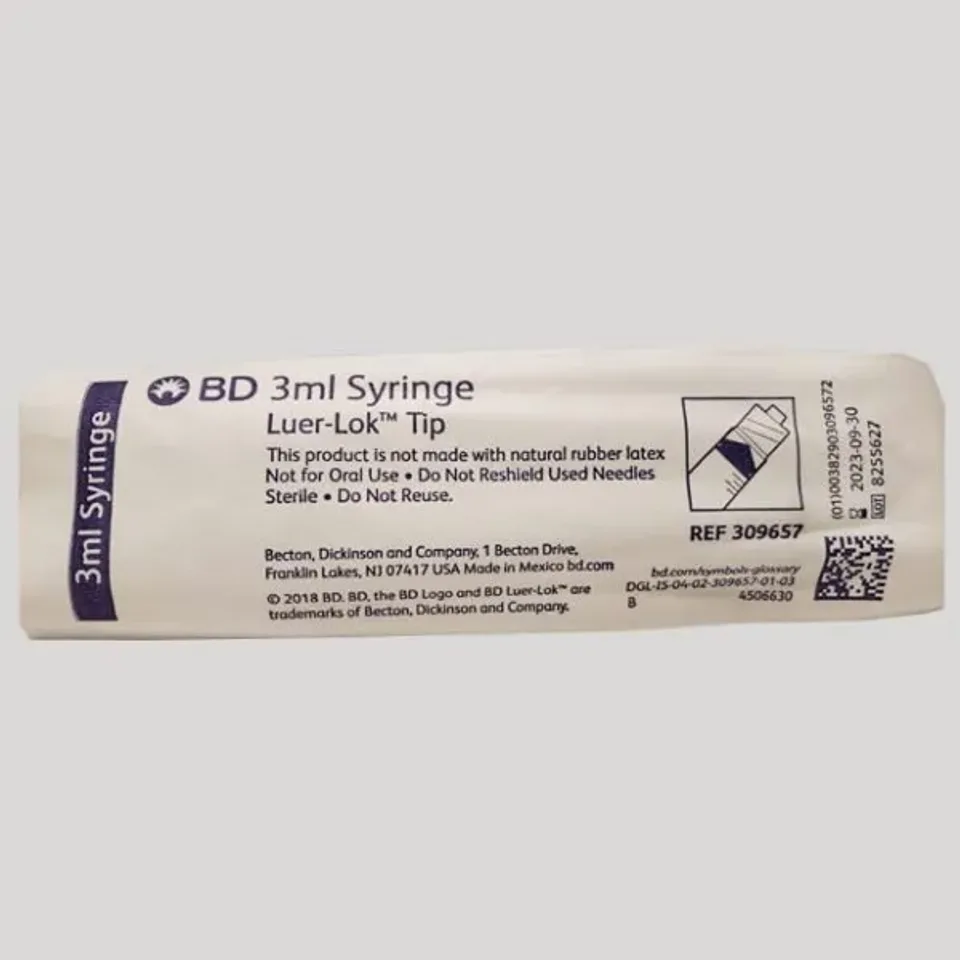
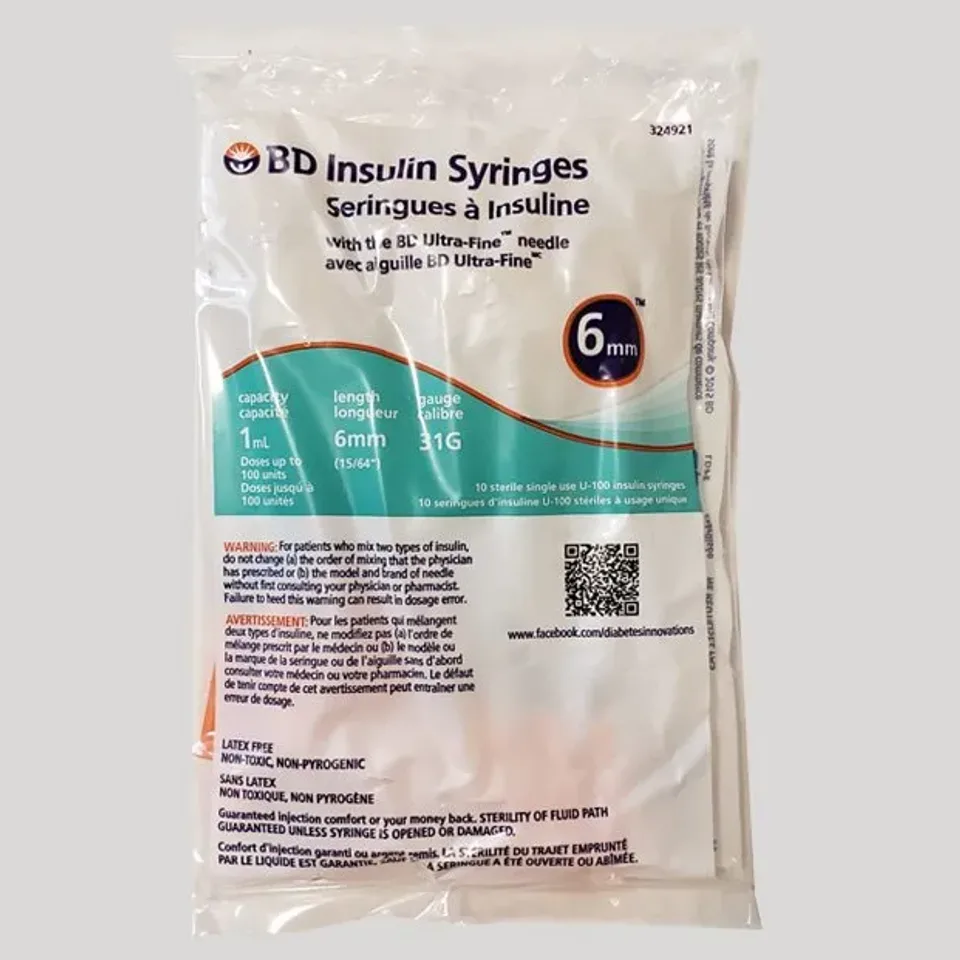
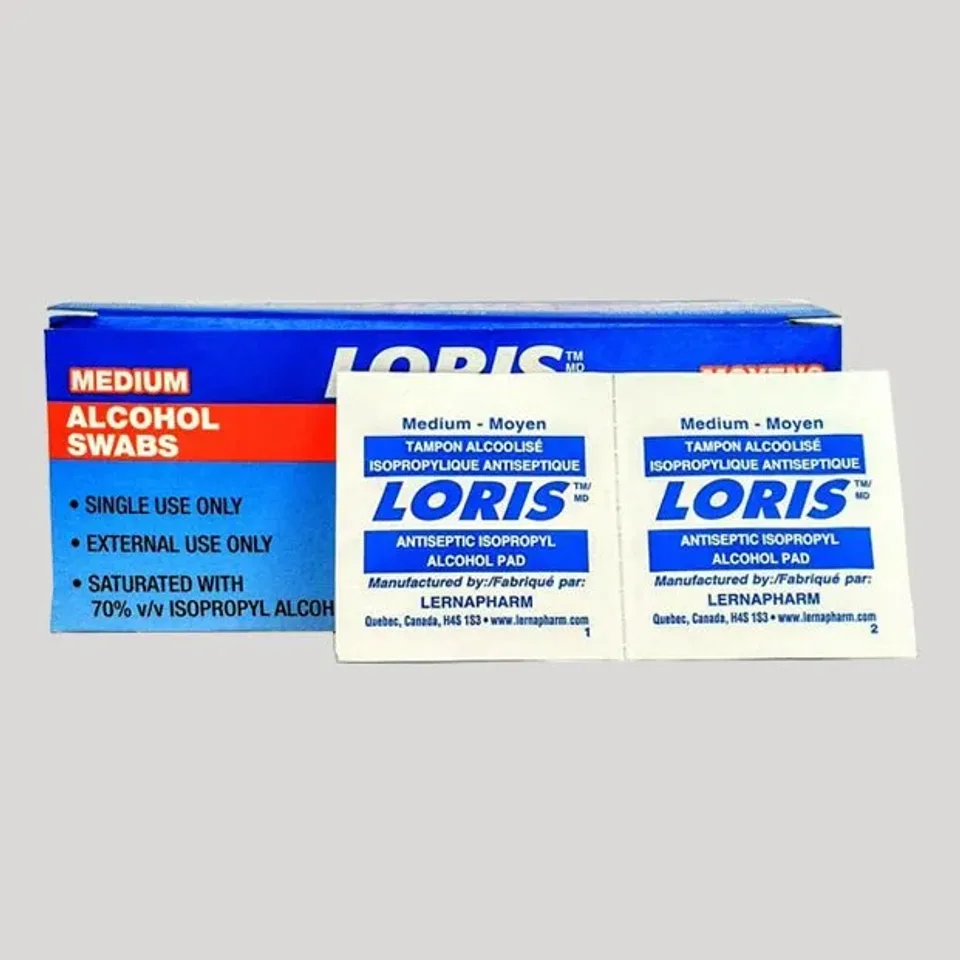
The powder is mixed with a diluent such as bacteriostatic water before lab work. The listed supplies also include alcohol swabs, a 3 mL Luer-Lok syringe, insulin syringes and an 18G 1-inch needle. The reconstitution guide covers their laboratory handling only.
No. It is offered for laboratory research only. The 2026 FDA review found no published report of TB-500 given to a person.2 USADA says no safe dose of BPC-157 is known, since it is so little studied in humans.19 One FDA adverse event report links a research-labeled injection with the same 5 mg of each peptide to skin and gum darkening.1
Written by D2C Peptides Editorial Team.
Pending qualified review.
Updated .
$35
In stock
View product
From $30
In stock
Choose strength
$95
In stock
View product
From $35
In stock
Choose strengthNo products match these filters.
D2C Peptides sells peptides for laboratory research. Please confirm both statements to continue.