
Sermorelin
$70
In stock
View product
Also searched as: thymosin alpha 1, ta1 peptide
$80 In stock
For research use only. Not for human or veterinary use.
Ships from the USA or Canada. Shipping details
Thymosin Alpha-1 (drug name thymalfasin) is a synthetic peptide of 28 amino acids with an acetylated N-terminus,14 sold here as one vial of freeze-dried powder for laboratory research. PubChem classes it as an immunologic adjuvant, a substance that stimulates or modulates immune responses.1 FDA has approved no drug that contains it.5
| Sequence (one-letter code) | Ac-SDAAVDTSSEITTKDLKEKKEVVEEAEN-OH (acetylated N-terminus)1 |
|---|---|
| Sequence (three-letter code) | Ac-Ser-Asp-Ala-Ala-Val-Asp-Thr-Ser-Ser-Glu-Ile-Thr-Thr-Lys-Asp-Leu-Lys-Glu-Lys-Lys-Glu-Val-Val-Glu-Glu-Ala-Glu-Asn-OH1 |
| Length | 28 amino acids14 |
| Molecular formula | C129H215N33O552 |
| Molar mass | 3108.3 g/mol2 |
| CAS number | 62304-98-7, used for both the free base and the acetate salt (PubChem also lists 69521-94-4)35 |
| PubChem CID | 161305712 |
| Form | Freeze-dried (lyophilized) powder |
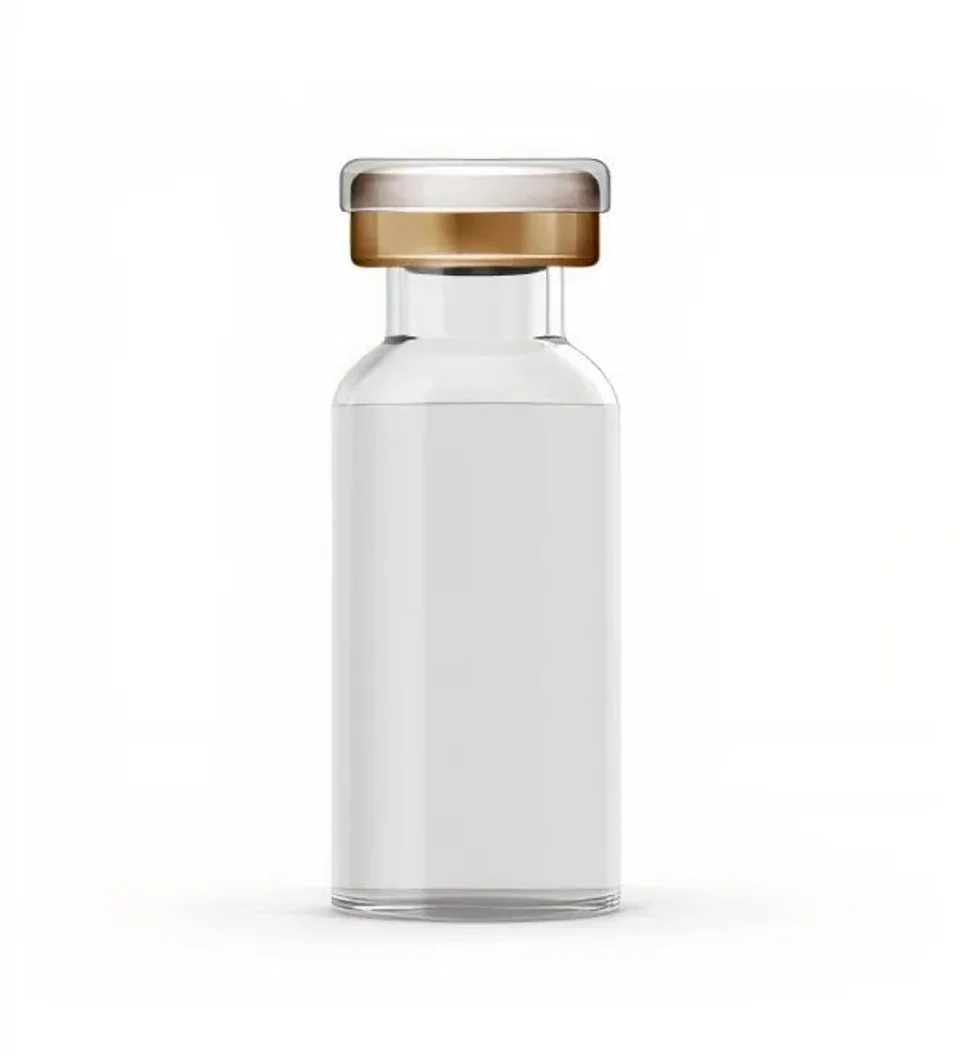
| Vial contents | One vial; the strength per vial and the salt form (free base or acetate) are not yet listed, so read the vial label before any concentration math |
| Ships from | USA, Canada |
| Storage | FDA reports that Ta1 free base should be stored desiccated below -18 °C, and that the acetate salt is kept in a sealed container at 2 to 8 °C or in a freezer, where it is reported stable below -20 °C.5 |
Labs planning a longer series of experiments can ask for Thymosin Alpha-1 in larger quantities through a wholesale account. Quantity terms are confirmed on application.
Thymosin Alpha-1 (Ta1) is a peptide of 28 amino acids first isolated from calf thymus in 1977, as one of several peptides in thymosin fraction 5, a crude thymus extract.64 The body makes its own Ta1 by cutting it from a larger protein, prothymosin alpha.7 In lab and animal studies it acts on immune cells.4 A brand version, Zadaxin, is approved in Italy and some other countries, mostly for hepatitis B or as a vaccine adjuvant.4
This page lists Thymosin Alpha-1 for sale as a research vial, with the Thymosin Alpha-1 price and stock for each origin in the selector above. Read What is Thymosin Alpha-1? for the full evidence before you buy Thymosin Alpha-1 for a study.
FDA has approved no drug product that contains Ta1.5 In December 2024, FDA's Pharmacy Compounding Advisory Committee voted 17 to 4 against adding the free base, and 17 to 4 against the acetate salt, to the 503A bulks list used for pharmacy compounding.8 FDA also says compounded Ta1 may pose a significant risk of immunogenicity (immune reactions) for certain routes of administration.9 USADA's advisory on the 2027 WADA Prohibited List, which takes effect on January 1, 2027, does not name Ta1, but it warns that a peptide not named on the List may still be prohibited.10 Every vial is labeled: For research use only. Not for human or veterinary use.
FDA reports a water solubility of up to 2 mg/mL for Ta1 free base and up to 1 mg/mL for the acetate salt, which it says is difficult to reconstitute in water.5 The highest strength FDA found in clinical studies was 2 mg/mL, and it said a more concentrated solution could aggregate.5 So each mg needs at least 0.5 mL of water (free base) or 1 mL (acetate); confirm the strength on the vial label first. Once dissolved, the free base was reported stable for 2 to 7 days at 4 °C, or below -18 °C for later use.5 The lab steps are in How to reconstitute a peptide vial, and the reconstitution calculator does the concentration math.
This page sells Thymosin Alpha-1 as a freeze-dried vial for laboratory research, with stock and the current price for each shipping origin in the selector. It is not for use in people. It is also not Zadaxin, the brand approved abroad: FDA calls Zadaxin a finished drug product that cannot be used interchangeably with Ta1 as a substance.4
Orders ship from the USA and Canada to addresses across the United States. Thymosin Alpha-1 is listed with two shipping origins, and the selector above shows the stock status of each one before the vial goes in your cart. Processing, delivery and other shipping details are on the shipping page.
The listing offers one standard vial, and the strength per vial is not yet stated here, so read the vial label before any concentration math. Strength matters for mixing, because FDA reports a water solubility of only up to 2 mg/mL for the free base and up to 1 mg/mL for the acetate salt.5
A freezer suits both dry forms FDA describes: the free base is stored desiccated below -18 °C, and the acetate salt in a sealed container at 2 to 8 °C or a freezer.5 That matters while the listing does not state the salt form. FDA adds that formulation, processing and environmental conditions may cause aggregation and degradation.5 See How to store peptides.
Certificates and lab documents, where available, are listed on the lab results page. Check which tests a Ta1 certificate covers. FDA's 2024 review found both the free base and the acetate not well characterized, lacking key data on impurities, aggregates and bacterial endotoxin,5 so a purity figure alone leaves those questions open.
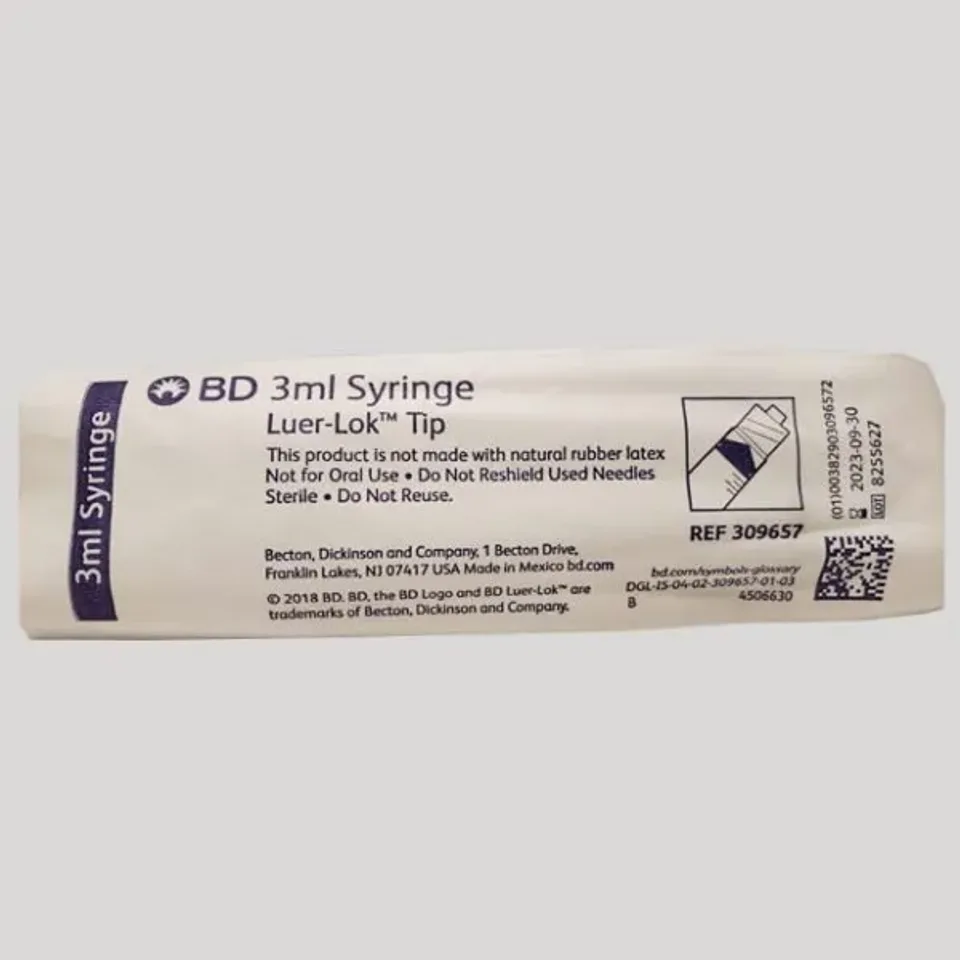
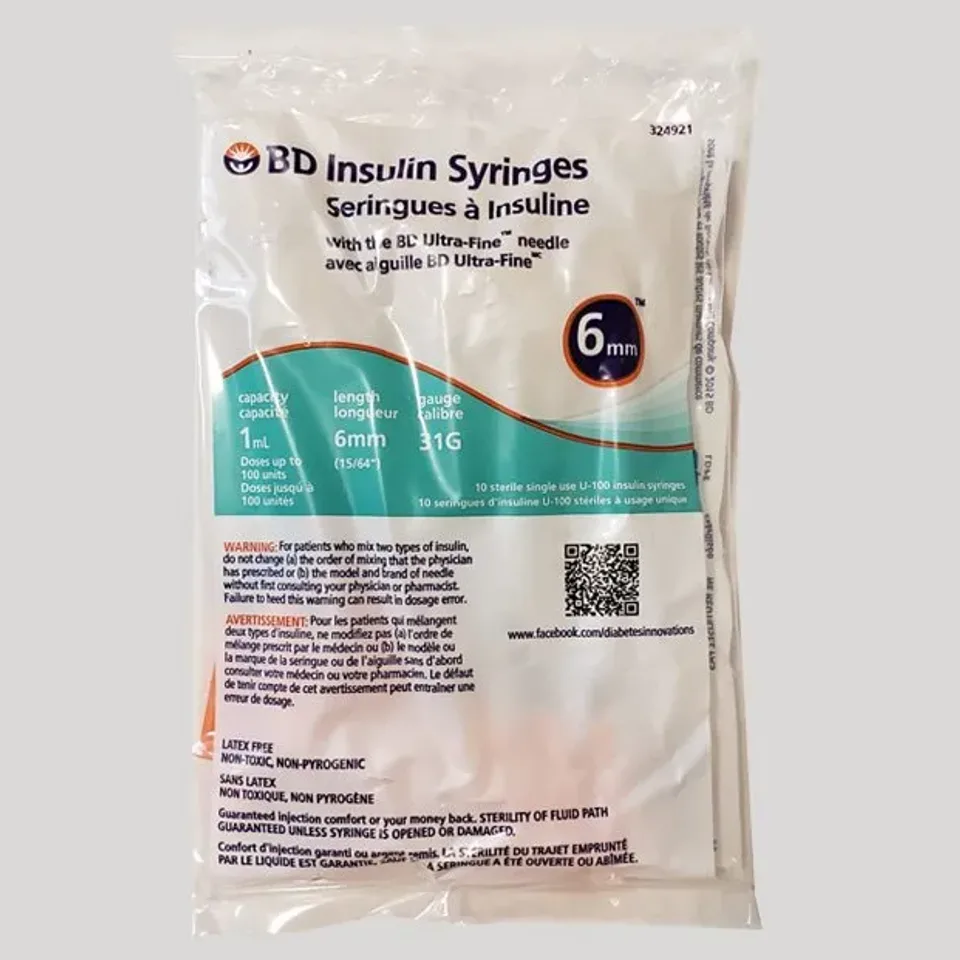
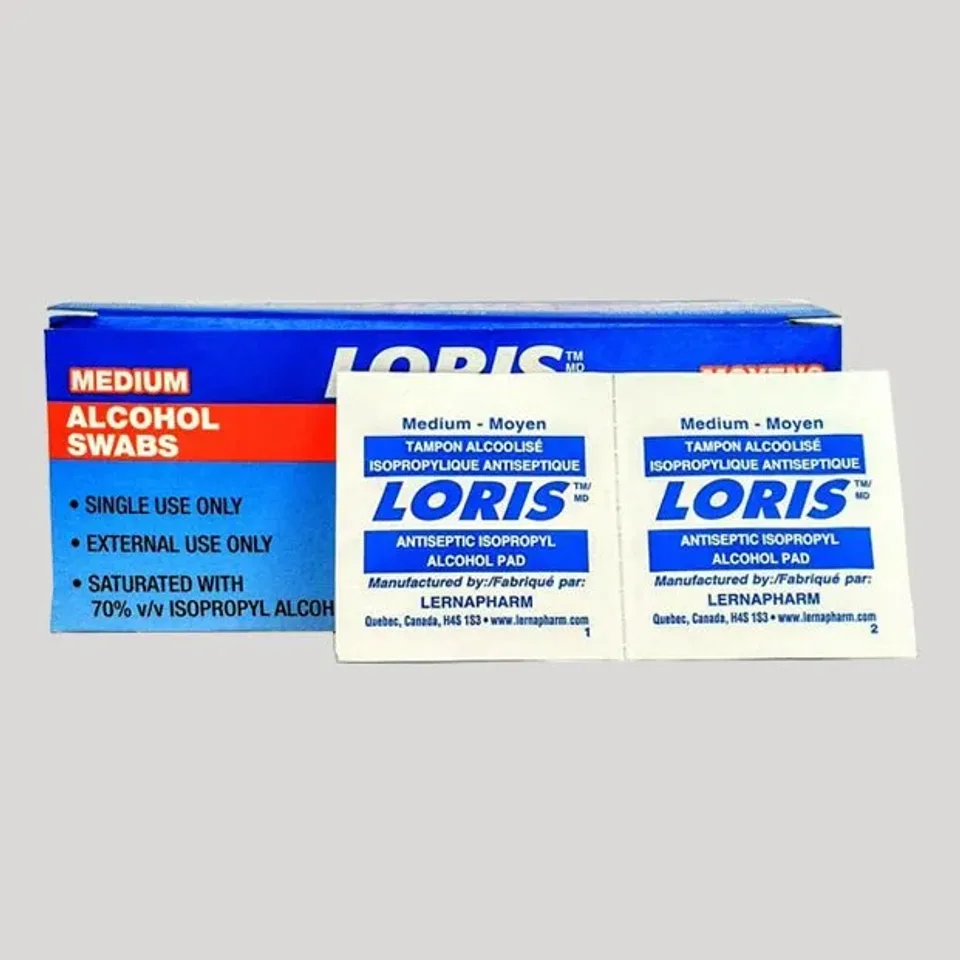
The supplies listed for this vial are bacteriostatic water as a diluent, a 3 mL Luer-Lok syringe, an 18G 1-inch needle, insulin syringes and alcohol swabs. Which of them a lab needs depends on its method and the vial strength. These are lab handling supplies, not directions for use in people.
Written by D2C Peptides Editorial Team.
Pending qualified review.
Updated .
$70
In stock
View product
$85
In stock
View product
$85
In stock
View product
$35
In stock
View productNo products match these filters.
D2C Peptides sells peptides for laboratory research. Please confirm both statements to continue.