
Sermorelin
$70
In stock
View product
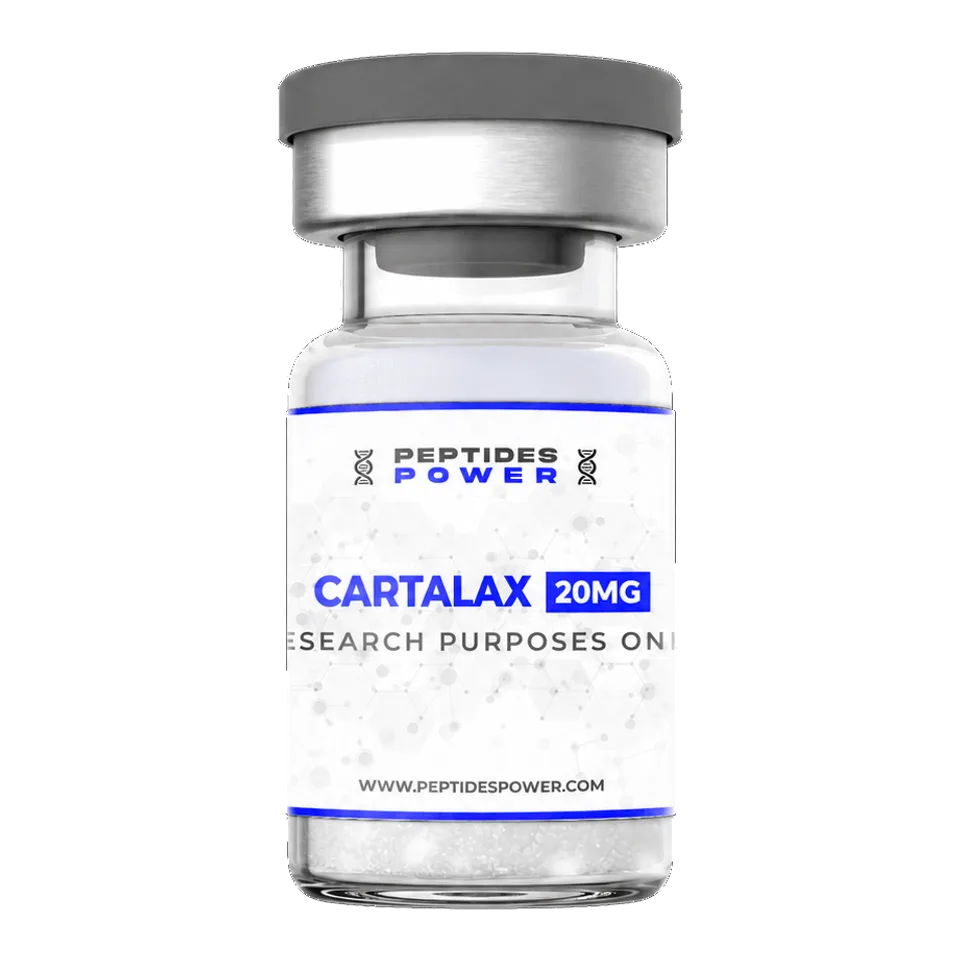
Sold as Cartalax 20mg
$60 In stock
For research use only. Not for human or veterinary use.
Ships from the USA or Canada. Shipping details
Cartalax is a synthetic tripeptide, Ala-Glu-Asp (AED), from Vladimir Khavinson's bioregulator program in St. Petersburg, Russia, which links it to cartilage.3 Nearly all published work is cell culture from that group, and no clinical trial is registered.412 It is not an FDA-approved drug.13 Each vial holds 20 mg of freeze-dried powder, sold for laboratory research.1
| Sequence (one-letter code) | AED3 |
|---|---|
| Sequence (three-letter code) | H-Ala-Glu-Asp-OH (alanyl-glutamyl-aspartic acid)32 |
| Molecular formula | C12H19N3O82 |
| Molar mass | 333.29 g/mol2 |
| PubChem CID | 878154472 |
| Form | Freeze-dried (lyophilized) powder1 |
| Vial contents | 20 mg per vial1 |
| Diluent | Not included; bacteriostatic water is sold separately1 |
| Strength | 20 mg |
| Ships from | USA, Canada |
| Storage | The supplier advises keeping the sealed vial refrigerated and away from light.1 GenScript, a peptide maker, says peptides containing Asp or Glu, as Cartalax does, tend to absorb moisture from the air.18 It advises keeping such peptides dry in a tightly capped vial.18 |
Labs that run Cartalax across many cultures or time points can apply for a wholesale account. Volume terms are confirmed on application.
Cartalax is a lab-made peptide of three amino acids: alanine, glutamic acid and aspartic acid (Ala-Glu-Asp, or AED).3 It belongs to the short "bioregulator" peptides from Vladimir Khavinson's group in St. Petersburg, Russia, which lists it as a regulator of cartilage and skin fibroblast function.3 This page offers Cartalax for sale as a 20 mg research vial, with stock for each shipping origin shown in the selector above.
The evidence base is small and comes almost entirely from that one group.4 PubMed indexes 6 records under Cartalax or its chemical name, all cell or tissue culture studies,4 and ClinicalTrials.gov lists no Cartalax trial.12 Before you buy Cartalax for a study, read What is Cartalax? for the full study list, the proposed mechanism and the open safety questions.
Cartalax is not an FDA-approved drug: a search of FDA's approval data found no product with it as an active ingredient.13 It is not named on FDA's list of bulk substances nominated for compounding under section 503A (updated May 14, 2026).14 Health Canada's 2025 advisory on unauthorized injectable peptides names sister Khavinson peptides such as Livagen and Pinealon, though not Cartalax.15 It says injectable peptides are regulated as prescription drugs in Canada.15 WADA's 2026 list does not name Cartalax, but its class S0 bans at all times any substance not covered by the list's other sections that has no government approval for human therapeutic use.16 The 2027 list, in force from January 1, 2027, adds "peptides" to the S0 examples.17
The supplier advises keeping a mixed vial cold and using it within 30 days.1 That is the supplier's guidance, not published stability data.1 GenScript says peptide solutions keep for a much shorter time than freeze-dried powder, especially when the sequence contains Asp, as Cartalax does.18 In the one published method we could read, researchers dissolved AED in phosphate-buffered saline before adding it to stem cell cultures.11 Lab steps for mixing a freeze-dried vial are in the reconstitution guide. The reconstitution calculator works out the concentration from the vial amount and the diluent volume.
Orders ship from the USA and Canada to addresses across the United States. The selector at the top of this page lists each shipping origin for the vial with its stock status, so you can check availability before checkout. Delivery details are on the shipping page, and return terms are on the returns page.
Move the sealed vial to a refrigerator, away from light, as the supplier advises.1 For longer storage, GenScript, a peptide maker, gives -20 °C as its general condition for freeze-dried peptides and notes that stability depends on each sequence.18 It also advises letting the vial reach room temperature before opening it, weighing out what is needed quickly and resealing it tightly.18 More detail is in How to store peptides.
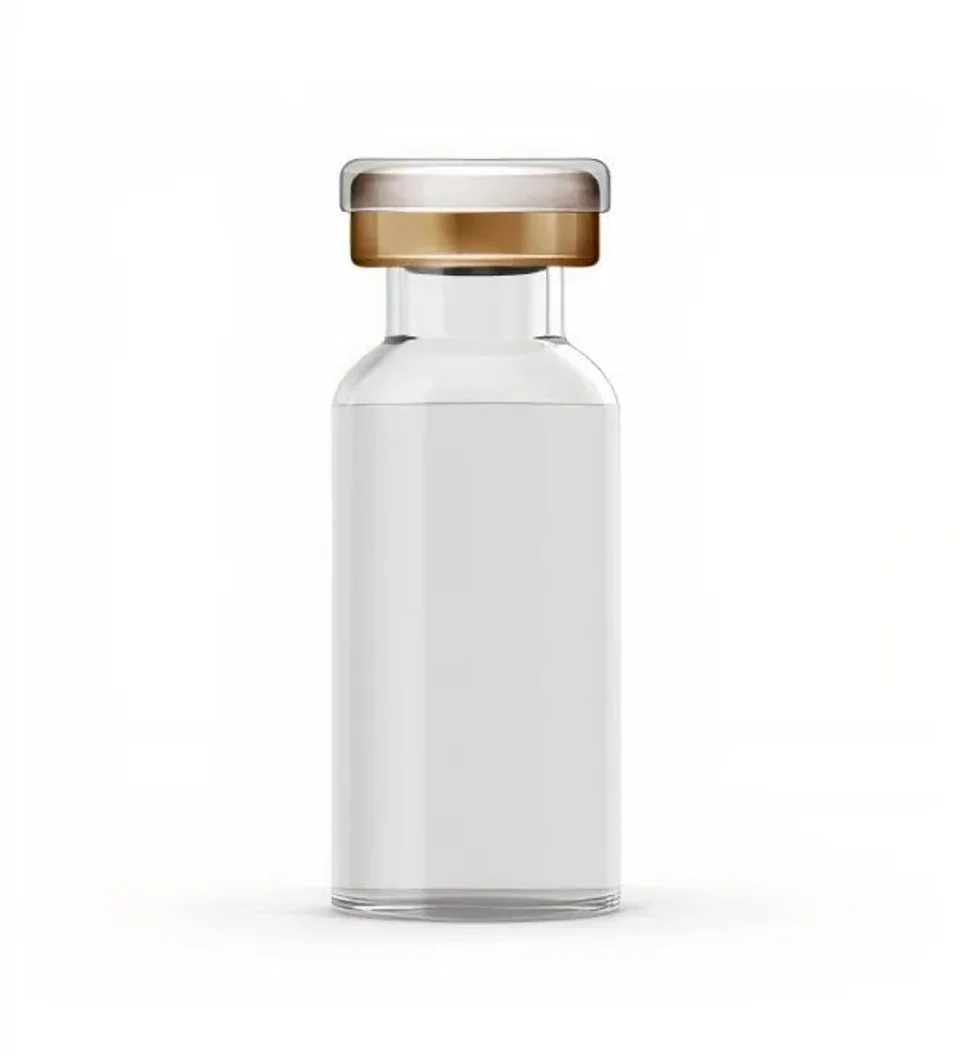
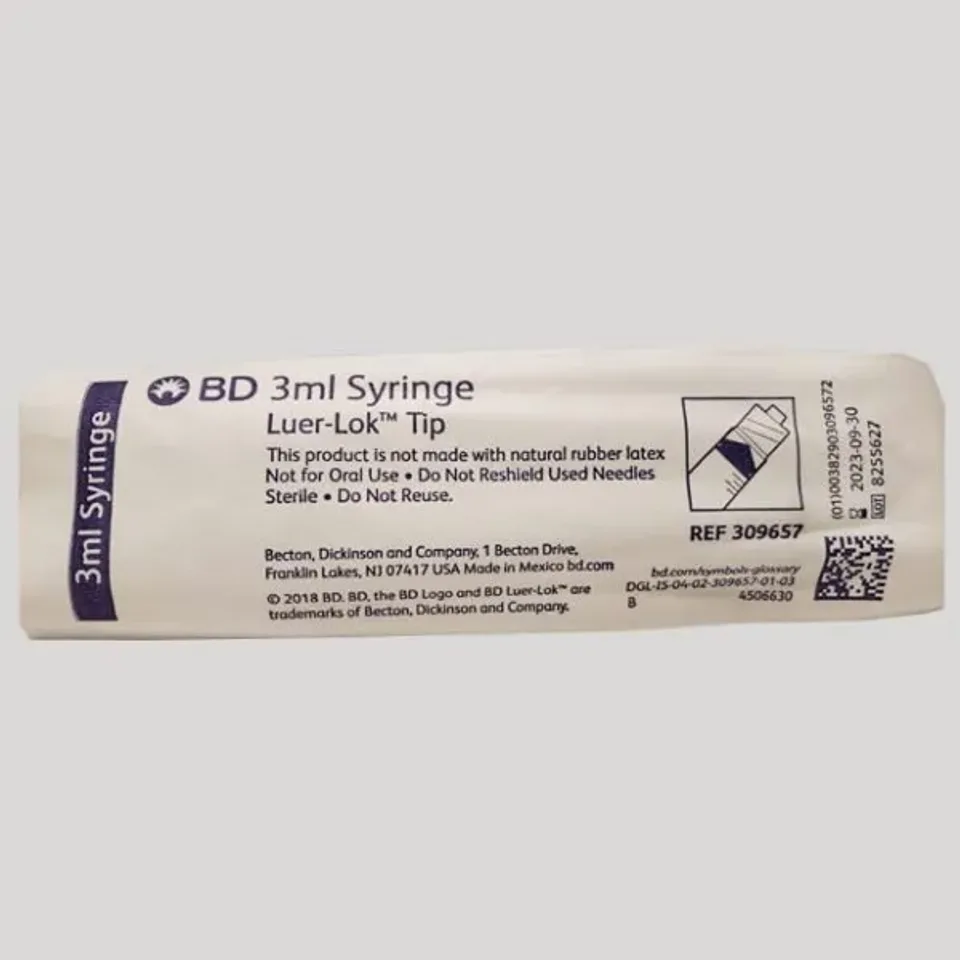
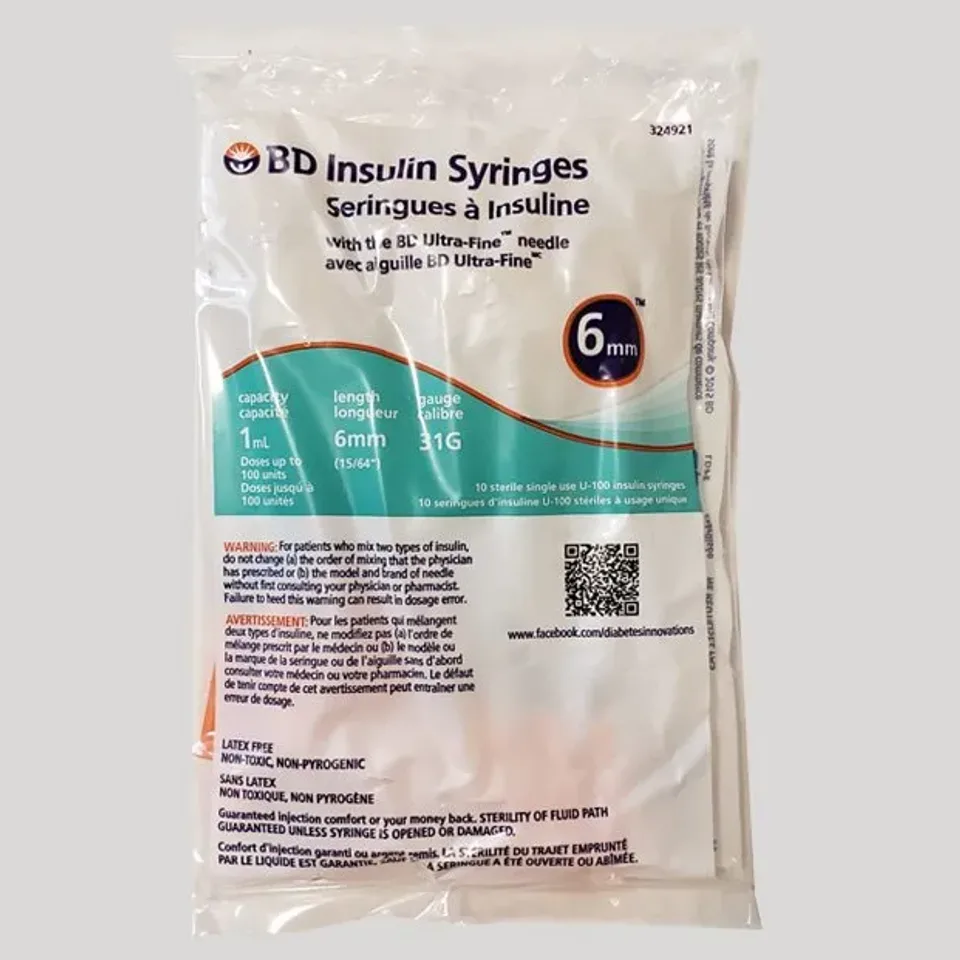
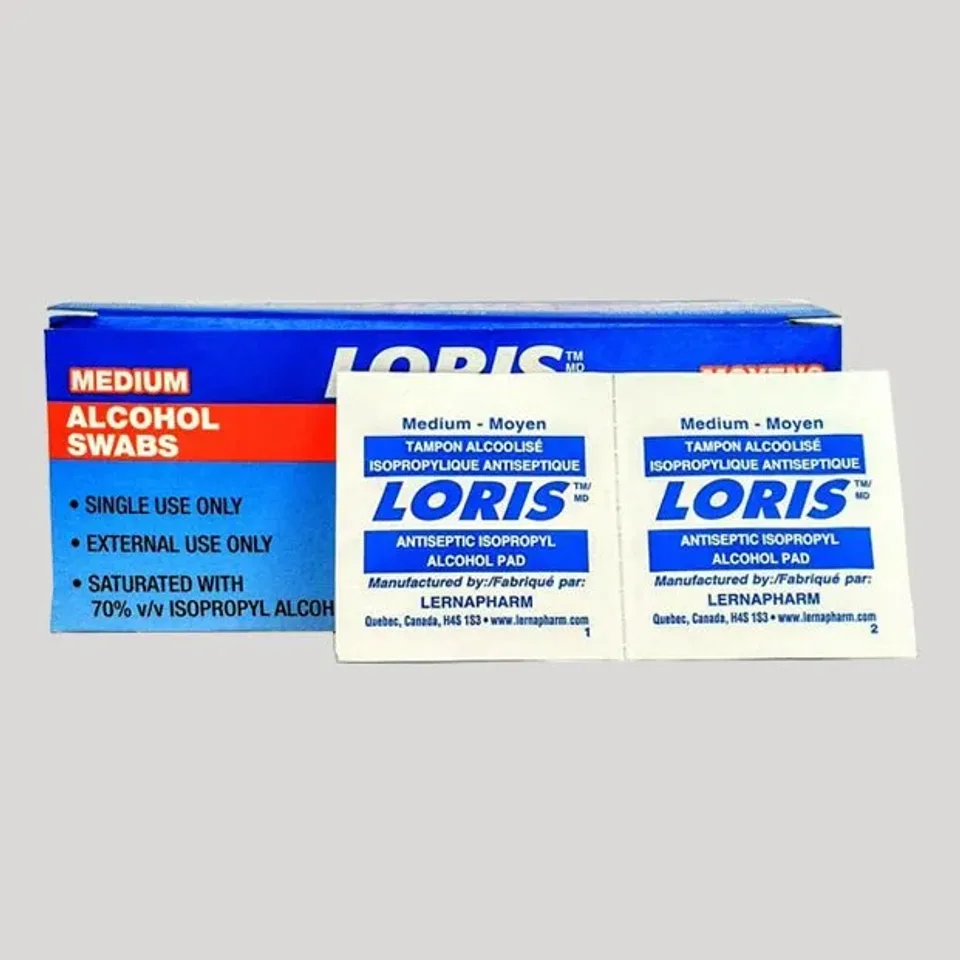
Five lab supplies are listed with this vial: bacteriostatic water as the diluent, plus a 3 mL Luer-Lok syringe and an 18G 1-inch needle for drawing liquid. Insulin syringes measure small volumes, and alcohol swabs clean the stopper. Bacteriostatic water does not come with the vial.1 These are lab handling supplies; this page gives no directions for use in people.
See the lab results page for the store's certificate information. On any Cartalax certificate, check the identity data against PubChem: formula C12H19N3O8 and molar mass 333.29 g/mol.2 Also look for net peptide content. Bachem, a peptide maker, notes that a powder above 95% HPLC purity may still be only 70 to 90% peptide by weight.19 Counter-ions and water make up the rest.19
No. The supplier sells Cartalax only for lab research; its label says not for human or veterinary use.1 No human dose has been established, and no clinical trial of it is registered.1312 Its published studies are cell experiments that report no safety data in people.4 Health Canada warns that unauthorized injectable peptides in general may cause infection or allergic reactions, or contain contaminants that may not be listed on the label.15
Written by D2C Peptides Editorial Team.
Pending qualified review.
Updated .
$70
In stock
View product
$85
In stock
View product
$85
In stock
View product
$35
In stock
View productNo products match these filters.
D2C Peptides sells peptides for laboratory research. Please confirm both statements to continue.