
Sermorelin
$70
In stock
View product
Also searched as: ara 290, ara290, cibinetide
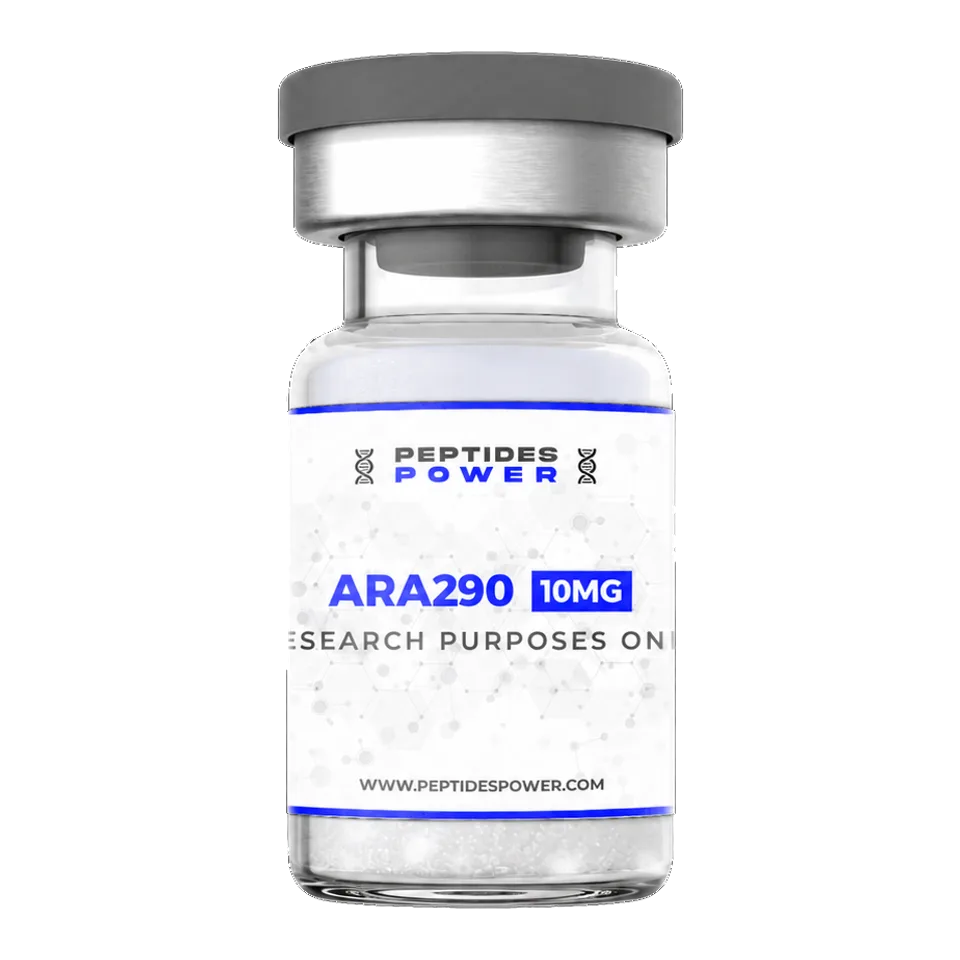
Sold as ARA-290 10mg
$45 In stock
For research use only. Not for human or veterinary use.
Ships from the USA or Canada. Shipping details
ARA-290, also called cibinetide, is a lab-made peptide of 11 amino acids modeled on the helix B surface of erythropoietin (EPO).12 It was designed to keep EPO's tissue-protective signaling without stimulating red blood cell production.2 This listing is one 10 mg vial of freeze-dried powder, sold for laboratory research.3 ARA-290 holds orphan drug designations in the US and EU but is not an approved medicine.45
| Sequence (one-letter code) | UEQLERALNSS (U marks the N-terminal pyroglutamate)12 |
|---|---|
| Sequence (three-letter code) | Pyr-Glu-Gln-Leu-Glu-Arg-Ala-Leu-Asn-Ser-Ser-OH (Pyr, also written pGlu, is pyroglutamic acid)18 |
| Length | 11 amino acids2 |
| Molecular formula | C51H84N16O2168 |
| Molar mass | 1257.3 g/mol6 |
| CAS number | 1208243-50-87 |
| PubChem CID | 918106646 |
| UNII (FDA substance code) | 9W5677JKDA8 |
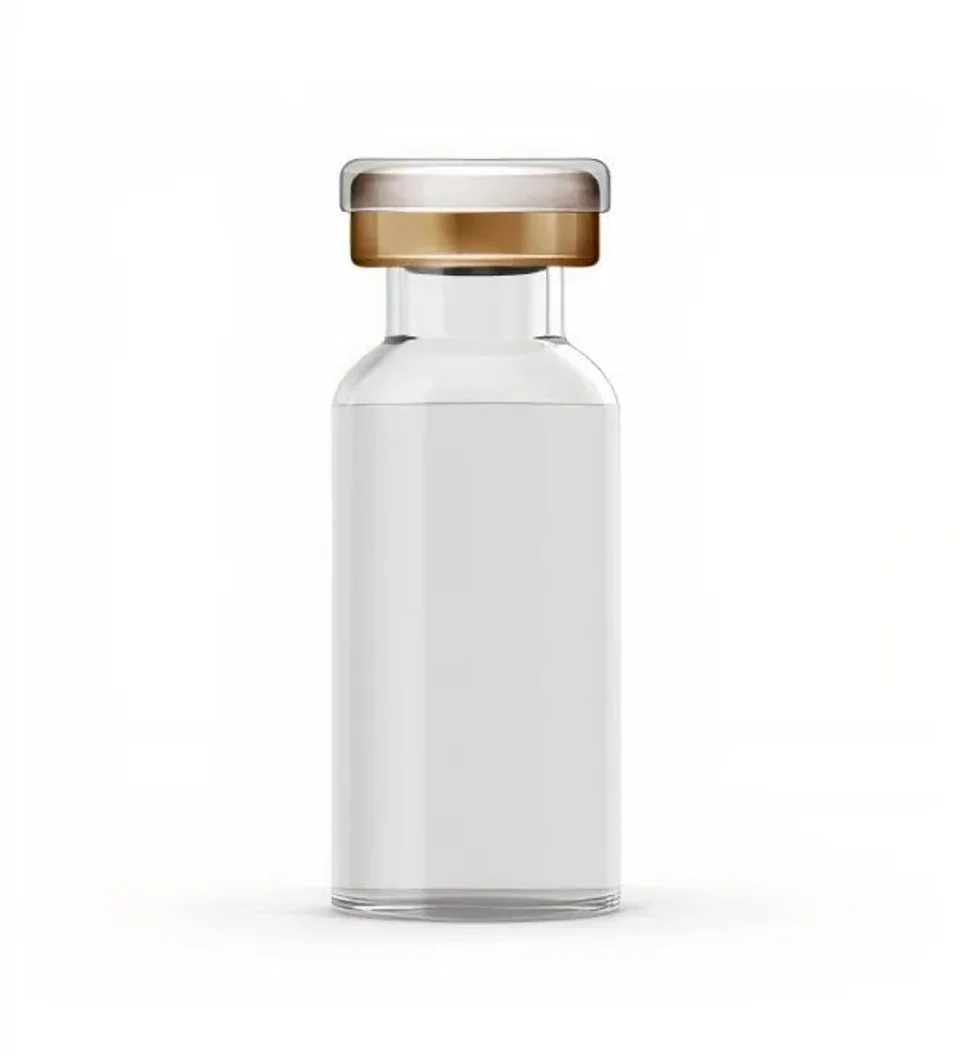
| Form | Freeze-dried (lyophilized) powder, per the supplier's listing3 |
| Vial contents | 10 mg per vial; no salt form or added ingredients are stated3 |
| Strength | 10 mg |
| Ships from | USA, Canada |
| Storage | ARA-290 has no approved label, so no official storage instructions exist.416 The supplier advises refrigerating unmixed vials away from light, holding the solution cold once mixed, and using it within 30 days.3 |
Research groups that need more than a few vials of ARA-290 for one study can apply for a wholesale account. Volume terms are set on application.
ARA-290 was engineered from the three-dimensional structure of EPO and first described in 2008.2 It copies the water-facing surface of EPO's helix B, and in lab and animal tests neither helix B nor the peptide stimulated red blood cell production.2 Its official name is cibinetide; it is also called pHBSP (pyroglutamate helix B surface peptide).18
It is thought to act on the innate repair receptor, described as a pairing of the EPO receptor with the beta-common receptor.9 A 2018 independent study found that the outer regions of those two receptors did not bind each other.15 Multi-dose human trials have treated 9 to 64 people for 28 days to 12 weeks, so long-term safety is unknown.91311
ARA-290 for sale here is a single 10 mg research vial, and the selector above shows the ARA-290 price and stock for each shipping origin. Before you buy ARA-290 for a study, read What is ARA-290? for trial results, side effects and study doses.
ARA-290 is not an approved medicine and has no brand name or prescription label.416 FDA lists four US orphan designations, all sponsored by Araim Pharmaceuticals and none approved: delayed graft function after kidney transplant (2009), neuropathic pain in sarcoidosis (2011), sarcoidosis (2016) and pancreatic islet survival after transplant (2016).1741618 The EU granted orphan designations for sarcoidosis (2013) and islet transplantation (2016), which are not marketing approvals.519
FDA places cibinetide in 503A category 3, bulk substances nominated for compounding without adequate support.20 No ARA 290 study listed on ClinicalTrials.gov has reached phase 3.23 Innate repair receptor agonists are banned at all times under the 2026 WADA Prohibited List (class S2.1.5).21 ARA-290 is not named there, but EMA describes it as activating the innate repair receptor,5 and anti-doping scientists called it a prohibited peptide in 2017.22 Every vial is labeled: For research use only. Not for human or veterinary use.
With no approved label, there are no official instructions for mixing, storing or judging the stability of ARA-290.416 Trial drug came in sterile vials made for the studies; in one trial its vehicle was a sodium phosphate buffer (pH 6.5) with sucrose and mannitol.24 The bench steps are in How to reconstitute a peptide vial, and the reconstitution calculator turns peptide mass and diluent volume into a concentration.
Orders go out from the USA and Canada and ship across the United States. ARA-290 is listed with two shipping origins, and the selector above shows whether each has the vial in stock before it goes in your cart. Processing, delivery and other shipping details are on the shipping page.
One strength is listed: each vial holds 10 mg of ARA-290 as freeze-dried powder.3 The supplier states no salt form and no added ingredients.3 Concentration then depends on the peptide mass and the volume of diluent added, and the reconstitution calculator does that arithmetic for any volume you enter.
There is no approved label, so storage figures come only from the supplier.4 It lists a shelf life of 36 months at -20 °C, or 30 days at 2 to 8 °C, and advises keeping the vial out of light.3 General lab steps are in How to store peptides.
Certificates and lab documents, where available, are listed on the lab results page. Check which tests a certificate covers, since identity, purity, bacterial endotoxin and sterility are separate questions. Published trials cannot answer them for this vial, because they used sterile study drug made for those trials.243
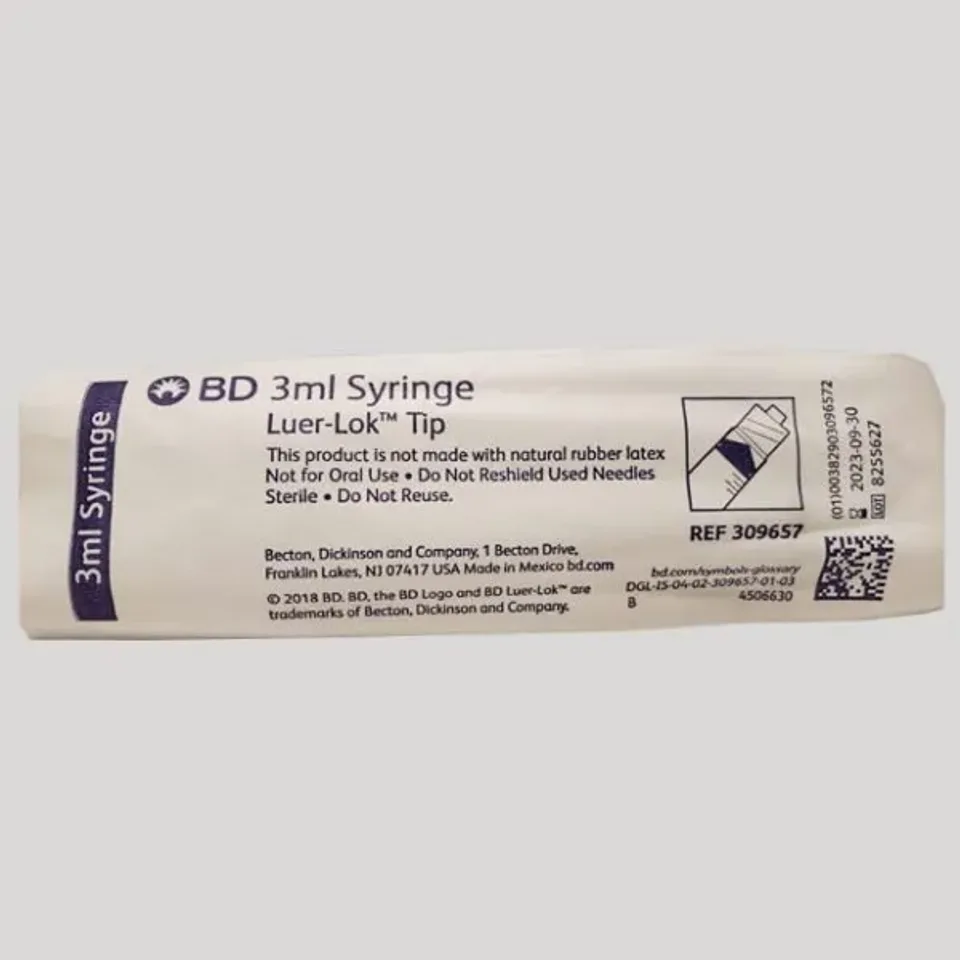
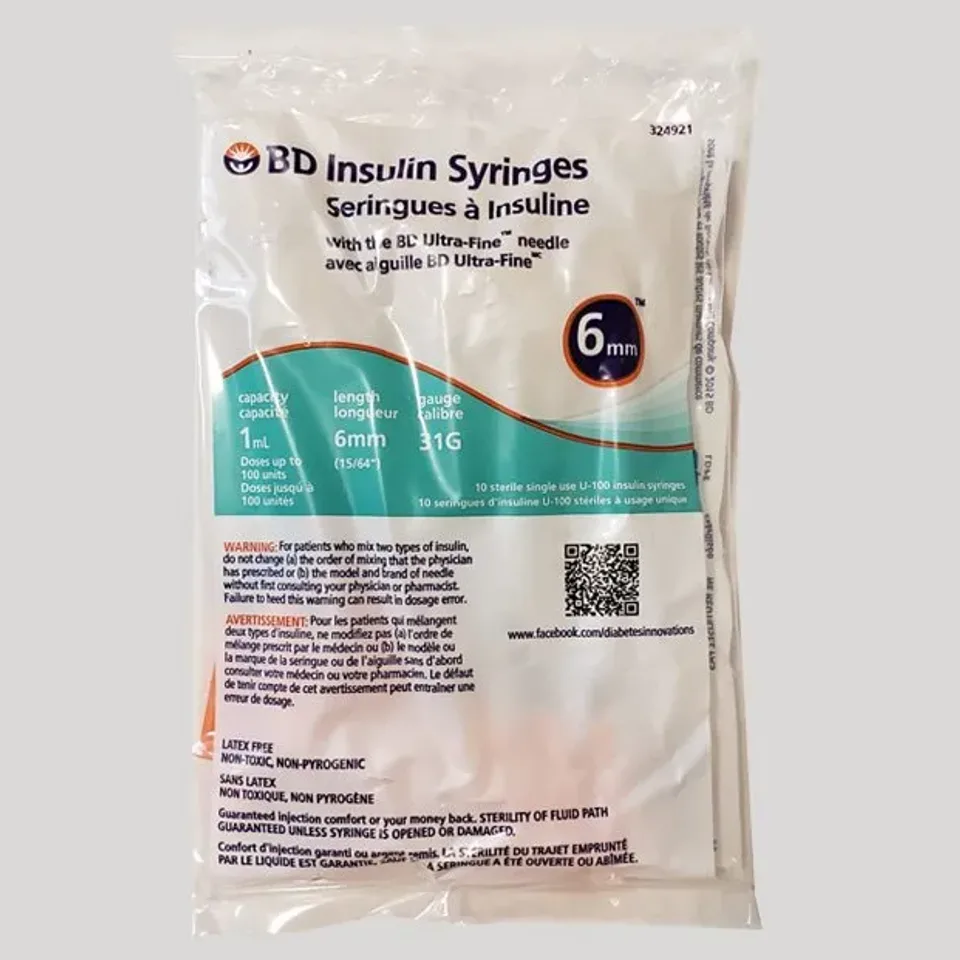
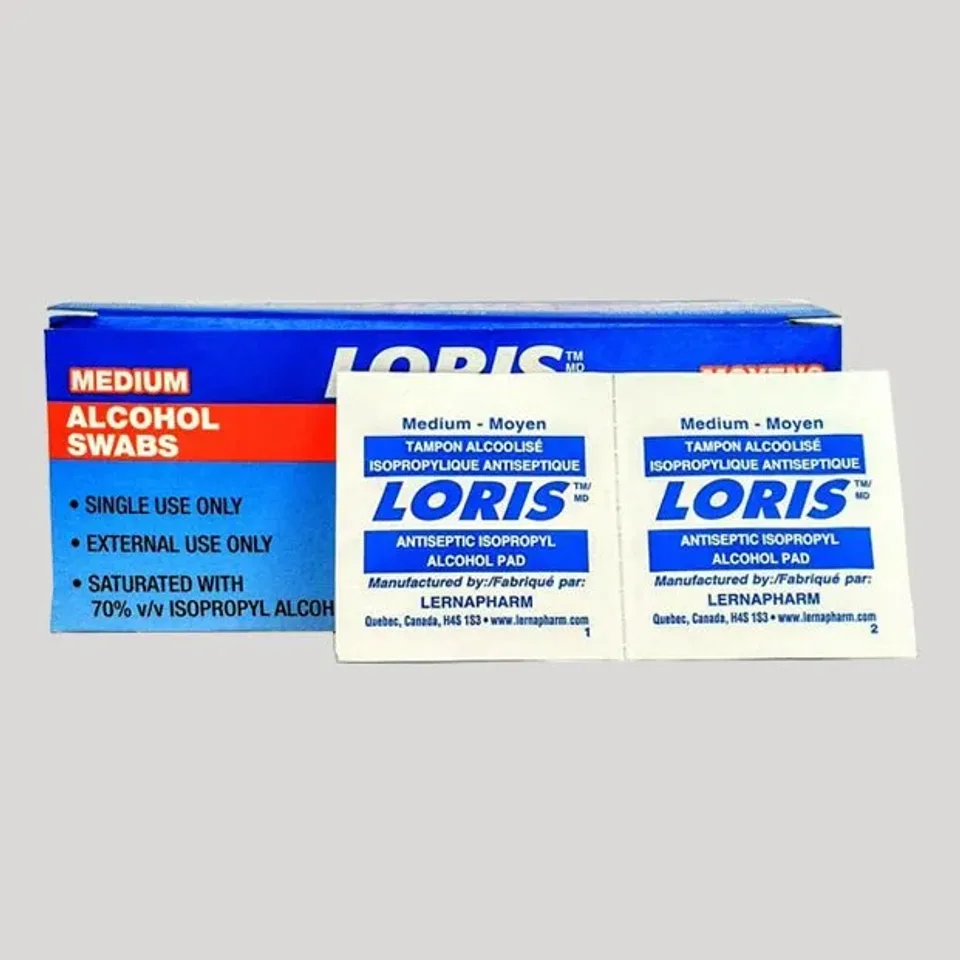
The supplies listed for this vial are bacteriostatic water as a diluent, insulin syringes, a 3 mL Luer-Lok syringe, an 18G 1-inch needle and alcohol swabs. With no approved label, no official mixing directions exist for ARA-290.4 The reconstitution guide covers bench steps only, not use in people.
No. The vial is sold for laboratory research and carries the label: For research use only. Not for human or veterinary use. ARA-290 is not an approved medicine.416 In a March 2026 warning letter to another research-peptide seller, FDA said evidence from the seller's website showed that its 'Research Use Only' products were intended as drugs for human use.25
Written by D2C Peptides Editorial Team.
Pending qualified review.
Updated .
$70
In stock
View product
$85
In stock
View product
$85
In stock
View product
$35
In stock
View productNo products match these filters.
D2C Peptides sells peptides for laboratory research. Please confirm both statements to continue.